
Wine Tours in Tuscany - About Angie - +39 3333185705 - angie.chianti@gmail.com

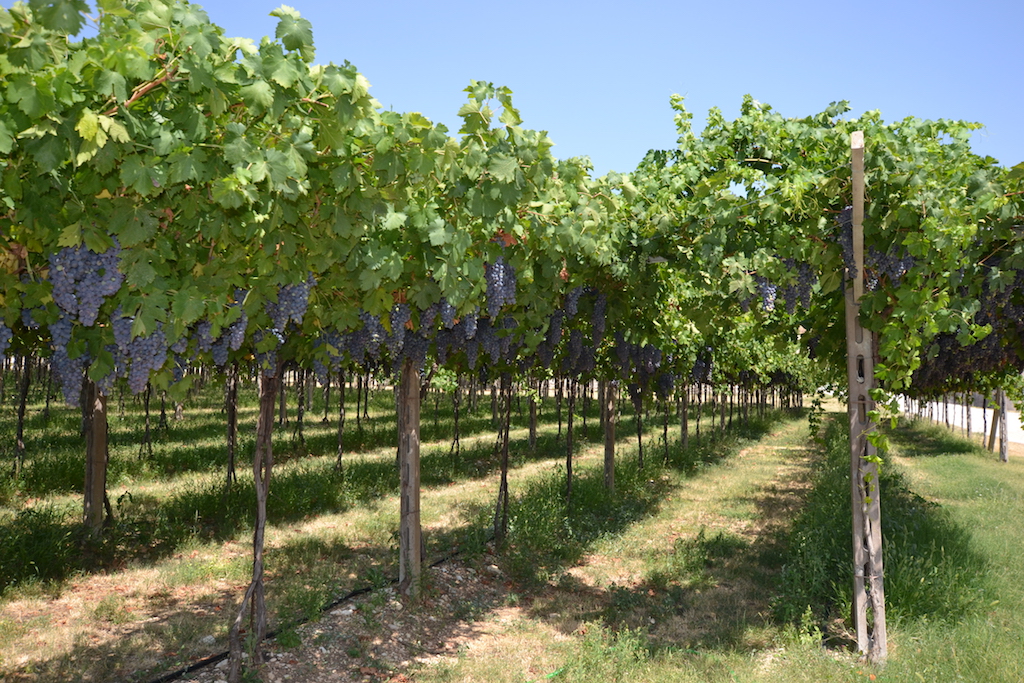
A deep dive into the history, soul, technique and magic behind Italy’s most powerful dry red wine
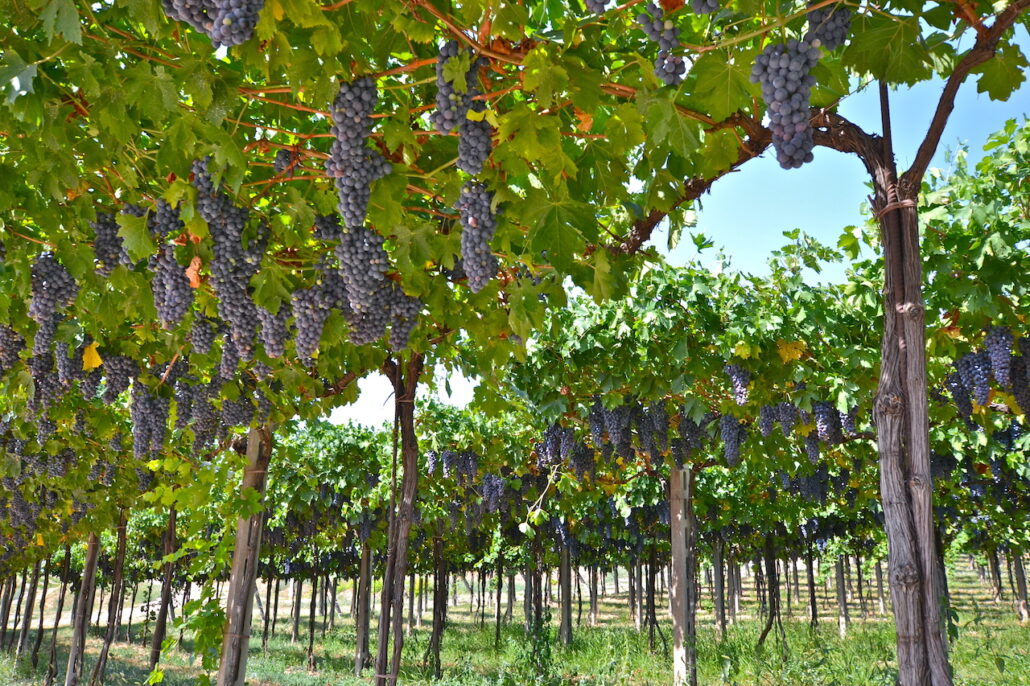
A Wine Born from Chance, Perfected by Tradition
Amarone della Valpolicella is one of Italy’s most iconic red wines, a bottle that carries centuries of knowledge, a touch of mystery, and a clear sense of place. Made exclusively in the Valpolicella region of Verona in the Veneto, Amarone is a dry, full bodied, long aged red produced from partially dried grapes. Its name , Amarone, meaning “the great bitter one” distinguishes it from its historical sweet counterpart, Recioto della Valpolicella.
The origins of Amarone feel almost mythical. Although the technique of making wine from dried grapes dates back to the ancient Greeks, Amarone as we know it began as an accident. A forgotten Recioto barrel was left to ferment far longer than intended. When the winemaker returned, the sweetness had disappeared. What remained was something powerful, dry, rich and unexpectedly beautiful. Instead of Recioto, they had created “big bitter”: Amarone.
That happy mistake would become one of Italy’s greatest contributions to the world of wine.
This ancient territory is far more than a simple vineyard area. Valpolicella is a mosaic of hills, stone terraces and microclimates that shape not only the wine but also its identity. Understanding these zones helps explain why Amarone tastes the way it does.
Where Amarone Is Made: The Valpolicella Territory
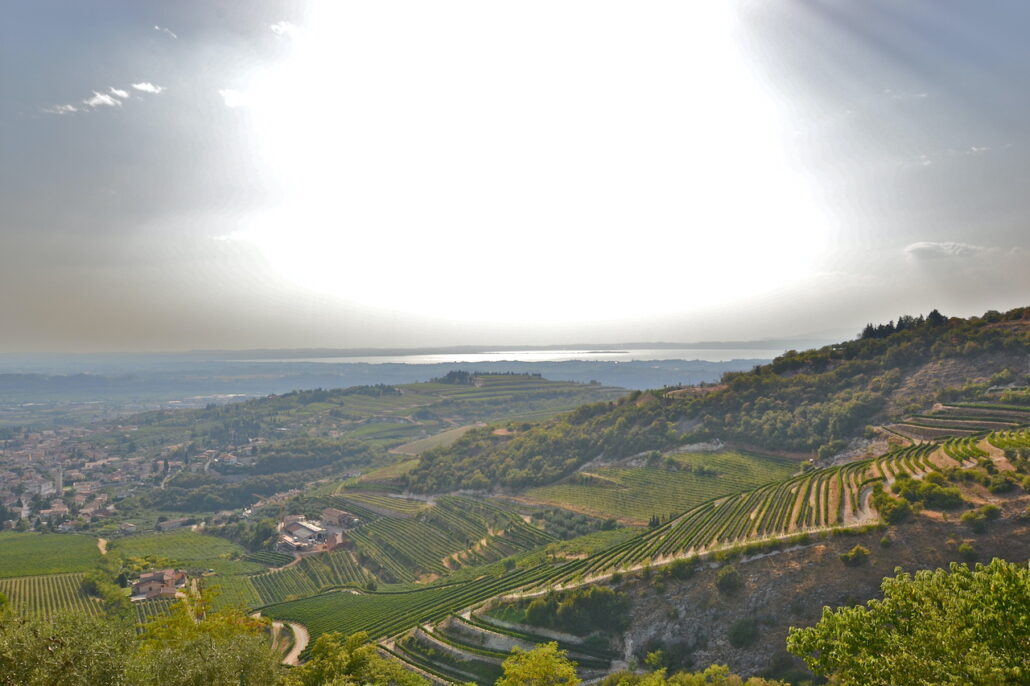
True Amarone della Valpolicella can only be produced in a specific area of the Veneto, just north of Verona and along the Adige River. This landscape of soft hills and stone-terraced vineyards sits at the lower foothills of the Alps, with the mild influence of Lake Garda moderating the climate. The result is the perfect balance between warm days, cool nights and constant breezes, exactly what the local grape varieties need.
The Valpolicella region is divided into three main zones:
Valpolicella Classico
The historic heartland. Negrar, Marano, Fumane, Sant’Ambrogio and San Pietro in Cariano make up the original and most traditional production area. Many of the region’s oldest families and cru vineyards are here.
Valpantena
A narrower valley east of the Classico zone, known for excellent altitude, limestone soils and elegant, aromatic wines.
The Eastern Valleys (Valpolicella Est)
A more recent expansion of the appellation, stretching toward the Soave hills. Villages like Illasi, Mezzane and Tregnago have earned increasing respect for Amarone with great structure and freshness.
Every Amarone must come strictly from these delimited areas. This protection ensures authenticity, origin and quality.
The Grapes Behind Amarone
Amarone is never a single-varietal wine. Instead, it is a precise blend, protected by strict DOCG regulations.
The main grapes are:
- Corvina Veronese, the soul of Amarone. It brings structure, spice, floral lift and the signature sour-cherry profile.
- Corvinone, once considered a Corvina clone, now recognized as its own variety. It adds power, body and beautiful dark-fruit depth.
- Rondinella, essential for color, stability and aromatic brightness.
- Molinara, Oseleta and other local red grapes permitted in small percentages to add complexity.
Corvina and Corvinone together must make up the majority of the blend, anywhere between 45 percent and 95 percent. Rondinella is required between 5 percent and 30 percent. Up to 25 percent of other approved red grapes may be used.
These are not international varieties. They grow almost exclusively in this corner of Italy. This means Amarone truly cannot be replicated elsewhere.
The Appassimento Method: Drying the Grapes
What makes Amarone unlike any other dry red wine is the ancient winemaking technique called appassimento.
Immediately after harvest, usually in early to mid October, whole clusters are carefully selected by hand. Only the healthiest grapes, with loose bunches and thick skins, can be used because they must withstand a long period of drying without rotting.
The clusters are then laid out in well-ventilated rooms known as fruttai. Traditionally these were lofts under the winery’s roof, where cold winter winds naturally circulated. Today many producers use climate controlled drying warehouses to regulate humidity and prevent mold.
The grapes rest for 100 to 120 days, slowly losing 30 to 40 percent of their weight. Water evaporates while sugars, acids, tannins and aromas become intensely concentrated. This is why Amarone is so powerful, so deep, so full of flavor.
Once winter is over and the grapes reach the right level of dehydration, they are pressed and fermented. Because the must is so rich and dense, fermentation takes a long time sometimes up to 35 to 50 days. And unlike Recioto, fermentation for Amarone runs almost completely to dryness.
The result is a bold, structured red wine with elevated alcohol, remarkable concentration and a style that no other region can mimic.
If you love learning about winemaking techniques, our From Vine to Glass blog category dives deeper into Italian wine craftsmanship:
A Protected Wine: DOCG Regulations
Amarone della Valpolicella received DOC status in 1968 and was elevated to DOCG ,the highest Italian classification in 2009.
The DOCG rules specify:
• the exact area of production
• the grape varieties and proportions
• the minimum drying period
• the winemaking process
• minimum alcohol levels
• aging requirements
• maximum yields per hectare
Every bottle must pass panel tasting before it is granted the pink DOCG seal around the neck. This guarantees quality and authenticity.
Aging Requirements
Amarone must age a minimum of two years before release.
Amarone Riserva must age at least four years.
Many top producers age their wines far longer before bringing them to market. Time gives Amarone elegance.
Tasting Amarone: What to Expect
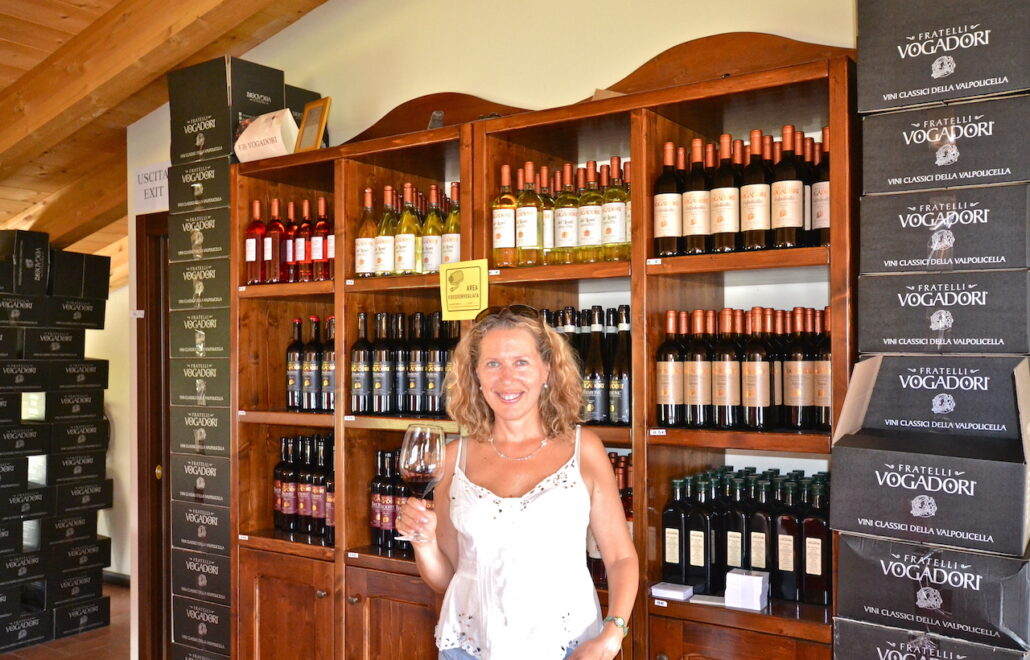
Amarone is famous for being both powerful and refined. It is a wine whose richness comes not from sweetness, but from concentration, structure and alcohol.
Appearance
Deep ruby at first, turning to garnet and brick tones with age.
Aromas
Expect layers of:
- macerated cherry
- black cherry liqueur
- dried figs
- plum compote
- carob
- cinnamon
- vanilla
- dark chocolate
- tobacco
- a touch of balsam or spice
The older the wine, the more it moves toward notes of molasses, brown sugar, dried fruit, licorice and warm earth.
On the palate
Amarone is typically full-bodied, with velvety tannins, high alcohol and an enveloping texture. It may contain a small amount of natural residual sugar (often between three and seven grams per liter), which is not enough to make it sweet, but enough to round out its structure.
Its finish is long, warm and persistent.
This is why Italians call it vino da meditazione — a wine for reflection.
Traditional vs Modern Amarone
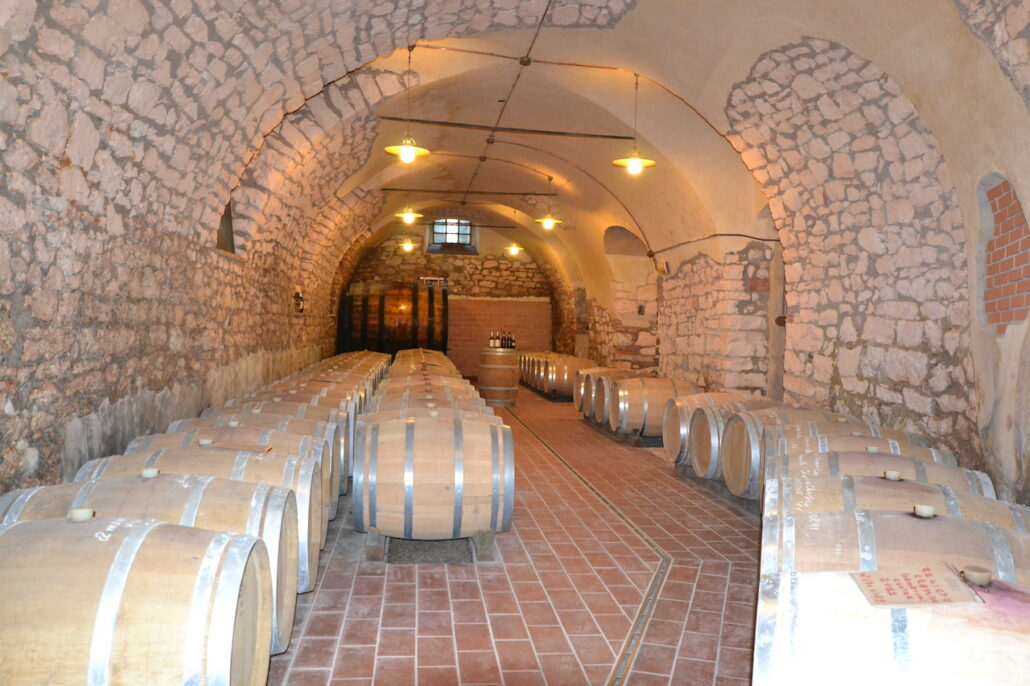
While the rules are strict, winemakers can still express different stylistic visions.
Traditional Amarone
Grapes dry naturally in fruttai without forced ventilation.
Wines age in large neutral oak or chestnut barrels.
Flavors show leaner red fruit, spice, mineral tones and bright acidity.
These wines age extraordinarily well — sometimes 30 or 40 years. But they often need time to fully open.
Modern Amarone
Drying may occur in controlled rooms.
Wines age partly in small new oak barrels.
Flavors are richer and more opulent, with chocolate, vanilla, molasses and ripe black fruit.
These bottles tend to be more immediately approachable, yet may peak sooner.
Both approaches can create outstanding Amarone. The difference is a matter of philosophy.
Amarone, Recioto and Ripasso: Understanding the Family
The Valpolicella family of wines shares the same grapes and traditions, but they are fundamentally different.
Recioto della Valpolicella
The ancestor. Sweet, luscious, made from dried grapes whose fermentation is intentionally stopped early. A dessert wine historically adored across Europe.
Amarone della Valpolicella
Dry, powerful, structured. The “big bitter” version born when Recioto fermented to dryness.
Valpolicella Ripasso
Before diving into Ripasso, it’s helpful to know that this wine exists only because Amarone exists. Ripasso was created to give new life to Amarone’s precious grape skins, turning what could be waste into a beautifully expressive wine.
Ripasso: the younger sibling
Often called the “younger sibling” of Amarone, Ripasso is not a passito wine but a technique. A base Valpolicella is “re-passed” over the leftover skins of Amarone or Recioto. This triggers a small second fermentation that boosts body, color and aroma.
Ripasso offers some Amarone like qualities, richness, spice, deeper fruit at a far more accessible price. According to DOC regulations, a winery is not allowed to produce more than twice as much Ripasso as Amarone. This rule exists to preserve authenticity, because Ripasso must truly be made using Amarone’s precious grape skins. Limiting production prevents shortcuts or industrial style practices and keeps the connection between the two wines genuine and meaningful.
If you’re visiting Tuscany and want to taste both Amarone style wines and traditional Tuscan reds, explore our Private and Small-Group Wine Tours
Why Amarone Is Expensive
The cost reflects real work, skill and risk.
Yields are extremely low.
Appassimento lasts months.
Fermentation is long and unpredictable.
Aging requires years.
Only selected grapes survive the drying.
Storage, time, labor, space everything is multiplied.
The result is a bottle of unmistakable personality and structure, among the most prestigious red wines in Italy.
How to Serve and Pair Amarone
Amarone deserves the right setting.
Serve it slightly below room temperature, around 16 to 18°C.
Use a large balloon-shaped glass.
Decant younger vintages for at least one hour to let the aromatics fully expand.
Best Pairings
- Slow braised beef
- Venison and game meats
- Truffle dishes
- Aged cheeses
- Rich pasta with ragù
- Rark chocolate desserts
- or… no food at all
Many enthusiasts believe Amarone is best sipped slowly, by the fireplace, in silence.
A Wine Protected by Place: Why No One Else Can Make Amarone
The name Amarone della Valpolicella is legally protected. Only wines made within the DOCG area, from authorized grapes, using the appassimento method, and approved by the Consorzio can bear that name.
In other regions, including Tuscany, winemakers may use a similar technique, drying red grapes to create powerful, concentrated wines. These can be delicious, but they cannot be called Amarone. The identity of Amarone is tied to Valpolicella itself.
A beautifully crafted Tuscan wine made with a similar drying method, offering Amarone-like richness at a more accessible price, is produced by one of the boutique wineries we visit on our wine tours.
A Global Icon of Italian Excellence
From Scandinavia to the United States, from Germany to Canada, Amarone has gained a passionate following. Its combination of power and elegance, tradition and precision, makes it unforgettable.
Whether you taste it young and bold or after twenty years of evolution, Amarone is not just a wine.
It is a story told slowly.
A blend of land, time, tradition, and a stroke of winemaking luck that became destiny.
If you travel to Italy, especially if you join one of our wine tours, tasting Amarone in its homeland is an experience worth traveling for. There is nothing quite like sipping this monumental wine surrounded by the hills of Valpolicella.
PEOPLE ALSO ASK
What kind of wine is Amarone?
Amarone della Valpolicella is a full-bodied dry red wine made from partially dried grapes. It is powerful, velvety, high in alcohol and known for its deep flavors of dried cherry, plum, chocolate and spice.
Why is Amarone so special?
Amarone is unique because it’s made with the ancient appassimento method. The grapes are dried for months, concentrating sugars, aromas and tannins. This creates a wine with exceptional richness, complexity, longevity and a texture unlike any other Italian red.
Is Amarone an expensive wine?
Yes, Amarone is typically more expensive due to its labor-intensive production. The grapes are hand-selected, dried for 3–4 months, fermented slowly and aged for years. Low yields and long aging make it one of Italy’s most prestigious wines.
What does Amarone taste like?
Amarone offers bold flavors of cherry liqueur, dried figs, cocoa, cinnamon, plum and exotic spices. It’s full-bodied, warm, smooth and long-lasting, often with subtle sweetness from natural residual sugar.


