Wine Tours in Tuscany - About Angie - +39 3333185705 - angie.chianti@gmail.com


Discover organic wines in Tuscany and explore the best organic wineries in Chianti and beyond. Learn how sustainable vineyards shape Tuscan wine culture.
Organic Wines in Tuscany
Where Tradition Meets Sustainable Winemaking
There is something deeply rooted in Tuscan culture that goes beyond wine itself. Long before sustainability became a global conversation, the relationship between people and land in Tuscany was already built on balance, respect and continuity. This deep connection between land and wine is part of what makes Tuscan wine so unique.
Only in recent decades has the modern world started to recognize that quality of life, health and longevity are closely connected to the environment we live in. In agriculture, this awareness has led to a shift away from intensive farming and toward more sustainable practices.
Few regions express this transformation as naturally as Tuscany, where wine has always been more than a product, it is part of everyday life.
Why Tuscany Is a Leader in Organic Wine
Today Tuscany is considered one of the leading regions in Italy for organic farming, particularly in wine production.
Across the rolling hills of Chianti, Montalcino and San Gimignano, an increasing number of vineyards are cultivated using organic methods. This shift is not simply a trend driven by market demand, but often a conscious return to traditional agricultural practices that existed long before modern regulations.
In fact, many Tuscan vineyards have been farmed in a naturally sustainable way for centuries. The combination of climate, soil and local knowledge allowed winemakers to cultivate vines without relying heavily on chemicals.
This is one of the reasons why Tuscany today offers such a strong concentration of organic wineries and small family run estates, producing wines that truly reflect both the land and the philosophy behind them.
What Makes a Wine Organic?
Organic wine production in Europe has been officially regulated since 2012 under EU legislation.
This regulation defines strict guidelines for both vineyard management and winemaking.
In the vineyard, organic practices include:
the complete avoidance of synthetic fertilizers, herbicides and pesticides
the exclusion of genetically modified organisms (GMOs)
the use of natural treatments such as copper and sulfur when necessary
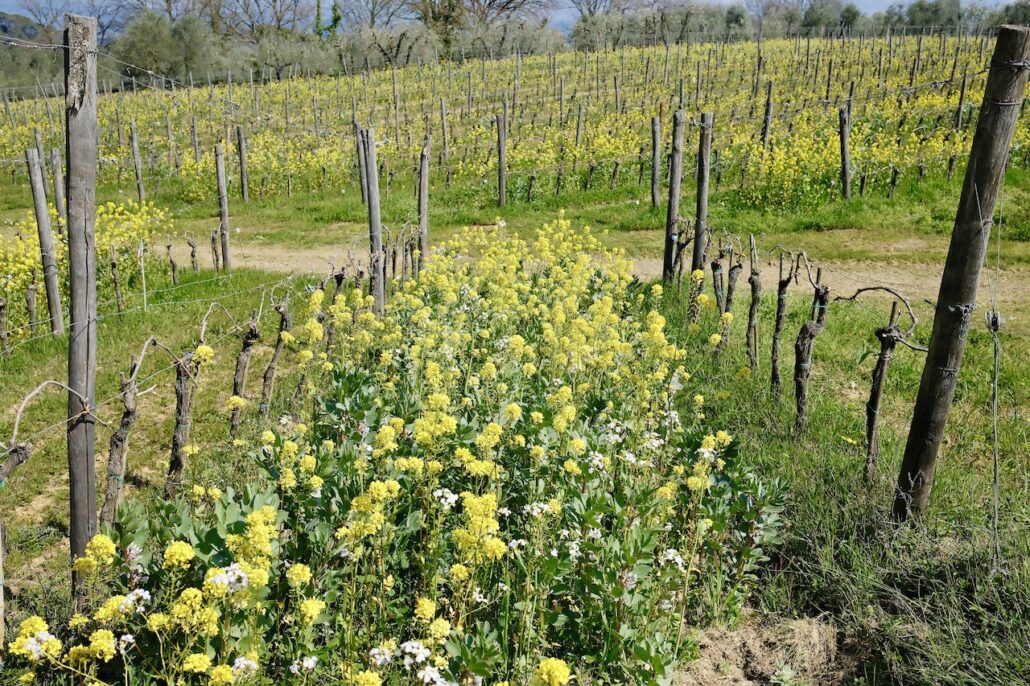
soil enrichment through compost or green manure
In the cellar, the approach remains controlled but less interventionist compared to conventional winemaking. Only limited quantities of certain substances are allowed, including small additions of sulfites to preserve the wine.
Organic wines can be easily recognized by the European certification symbol known as the Euro-leaf, displayed on the label.
What Are the Benefits of Organic Wine?
When talking about organic wine, one of the most common questions is whether it truly makes a difference both for the environment and for those who drink it.
In Tuscany, this question goes beyond trends. Many small family run wineries have been working in harmony with nature for generations, long before organic certification even existed. For them, organic farming is not a marketing choice, but a natural extension of their relationship with the land.
Today, as more winemakers adopt sustainable practices, organic wine has become an essential part of the Tuscan wine identity.
Better for the Vineyard and Biodiversity
One of the most important benefits of organic wine begins in the vineyard.
By avoiding synthetic chemicals, organic farming allows biodiversity to thrive. Vineyards become healthier ecosystems where beneficial insects, birds and microorganisms help maintain natural balance.
This approach improves soil structure and fertility over time, ensuring that the land remains productive for future generations. Many organic wineries in Tuscany also focus on reducing water consumption and limiting their environmental impact.
A More Natural Approach to Winemaking
Organic wine is not only about how grapes are grown, but also about how wine is made.
Winemakers limit the use of additives and intervene as little as possible during fermentation. Native yeasts often play a key role, allowing the wine to develop naturally.
This low intervention philosophy helps preserve the original character of the grape and the identity of the vineyard.
Is Organic Wine Healthier?
Many people choose organic wine because they are looking for a more natural product.
Organic wines generally contain lower levels of added sulfites and no synthetic chemical residues. While wine should always be enjoyed in moderation, some people find organic wines easier to drink, especially if they are sensitive to additives.
More importantly, choosing organic wine supports agricultural practices that are better for the environment and for long term sustainability.
A More Authentic Taste of Tuscany
Perhaps the most noticeable difference is in the glass.
Organic wines often offer a more authentic expression of Tuscan terroir. Without heavy chemical intervention, the flavors of the grape, soil and climate can emerge more clearly.
This results in wines that feel more vibrant, expressive and closely connected to the landscape they come from.
Experiencing these wines in the place where they are produced makes an even greater difference. Visiting small organic wineries allows you to understand not only the taste, but also the philosophy behind each bottle.
If you are curious to explore this side of Tuscany, joining a Chianti wine tour from Florence offers the opportunity to meet local producers and taste wines directly at the source.
Choosing the right season can make a big difference, especially if you want to experience vineyard life at its best.
If you’re planning your trip, you may find it helpful to read our guide on the best time to visit Tuscany vineyards.
Biodynamic Wine in Tuscany
Biodynamic wine follows a similar foundation to organic farming but introduces a more holistic philosophy.
Based on the agricultural principles developed by Rudolf Steiner, biodynamic viticulture considers the vineyard as a self-sustaining ecosystem where soil, plants and human activity are interconnected.
In addition to avoiding synthetic chemicals, biodynamic producers:
use natural preparations to stimulate soil vitality
follow lunar cycles for vineyard work
avoid additives such as industrial yeasts, enzymes and stabilizers
aim to strengthen the natural resilience of the vine
Certified biodynamic wines can often be identified by labels such as Demeter or Biodynamic®.
While more demanding, this approach is increasingly adopted by producers seeking to express their terroir in the most authentic way.
Best Organic Wineries in Tuscany
Tuscany is home to some of the best organic wineries in Italy, many of which are small, family run wineries deeply connected to their land.
In the Chianti countryside, several producers have embraced organic farming as a natural evolution of traditional viticulture. These wineries often combine modern knowledge with centuries old practices, creating wines that are both expressive and balanced.
In Montalcino, some estates producing Brunello have transitioned to organic or biodynamic methods, focusing on lower yields and higher quality grapes.
In San Gimignano, producers of Vernaccia are increasingly adopting sustainable practices to protect the unique character of this historic white wine.
What makes these wineries truly special is not only their farming methods, but the experience they offer. Visiting them means stepping into a world where wine is still made on a human scale, where every decision is guided by experience rather than industrial logic.
If you are interested in discovering these small producers, one of the most authentic ways is through a wine tour in the Chianti countryside, where you can meet winemakers, walk through organic vineyards and taste wines directly at the source.
You can explore some of these experiences here through our small group wine tours in Tuscany
Why Organic Wine Matters Today
Organic and biodynamic wine in Tuscany are not simply modern trends. They represent a continuation of a long standing relationship between people and land.
In a region where wine has always been part of daily life, sustainability is less about innovation and more about returning to a natural balance that has existed for centuries.
It is this balance between tradition, land and people that continues to define the true identity of Tuscan wine.
FAQ – Organic Wine in Tuscany
Are organic wines common in Tuscany?
Yes, Tuscany is one of the leading regions in Italy for organic wine production, with many wineries adopting sustainable farming practices.
What is the difference between organic and biodynamic wine?
Organic wine avoids synthetic chemicals, while biodynamic wine follows stricter holistic principles that treat the vineyard as a living ecosystem.
Can you visit organic wineries in Tuscany?
Yes, many organic wineries are open to visitors, especially in the Chianti area near Florence, where guided tours offer tastings and vineyard visits.
How do you recognize an organic wine?
Organic wines in Europe are identified by the “Euro-leaf” symbol on the label, indicating compliance with EU organic regulations.