Wine Tours in Tuscany - About Angie - +39 3333185705 - angie.chianti@gmail.com


Chianti: Where Tuscan Wine, Landscape, and History Become One
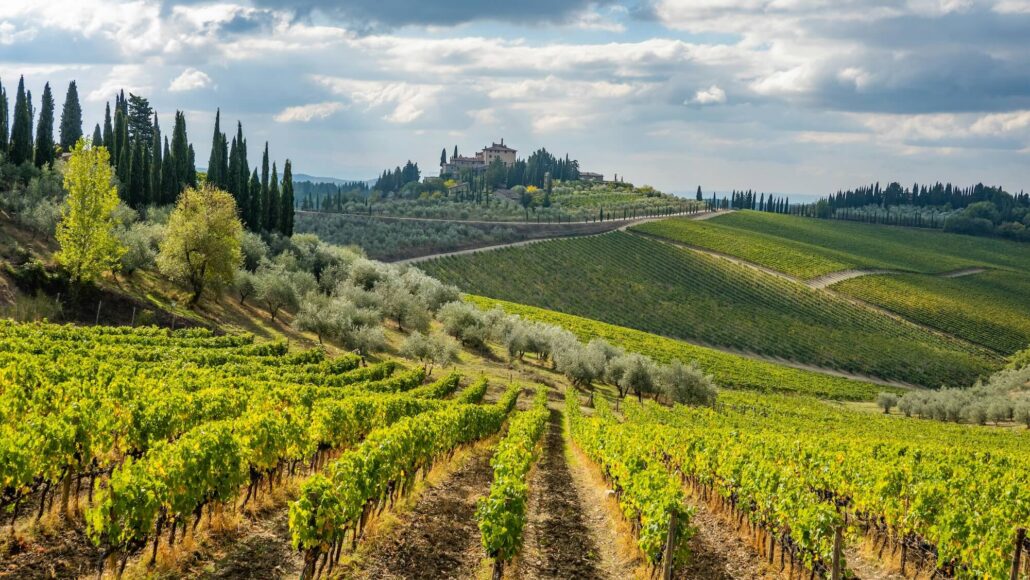
There is a moment, when traveling through Tuscany, when the landscape begins to speak. Rolling hills ripple across the horizon, vineyards follow the curves of the land, and stone villages appear almost organically, as if they had always belonged there. This is the heart of the Chianti wine region, a place where wine is not an attraction but a natural extension of daily life.
A journey through Chianti is never just about tasting wine. It is about understanding how geography, history, and human decisions have shaped one of the most recognizable wine cultures in the world. From the countryside surrounding Florence to the deeper rural stretches of central Tuscany, wine here reflects centuries of observation, adaptation, and respect for the land.
This connection between place and wine is what makes Tuscan wines so distinctive.
The Essence of Chianti Winemaking
Chianti occupies a vast and varied area of central Tuscany, divided into distinct sub-zones, each with its own character. What unites them is a shared foundation: Sangiovese. This grape is the backbone of Chianti wines, prized for its ability to express place with clarity and restraint. Depending on where it is grown, it can offer bright acidity, earthy depth, floral notes, or firm structure.
Among these areas, Chianti Classico stands out for its stricter production rules and long history. Its boundaries were formally defined over three centuries ago, making it one of the earliest regulated wine zones in the world. Here, the focus is on balance, longevity, and authenticity rather than immediate impact.
Nearby, Chianti Colli Fiorentini tells a quieter story. Located close to Florence, this lesser-known area produces wines that feel approachable yet expressive, shaped by rolling hills and a landscape that has long connected rural life with the city.
Together, these areas reveal how diverse the Chianti zone truly is.
Wine Close to Florence, Rooted in the Countryside
Exploring wine near Florence offers a perspective that many travelers overlook. Just beyond the city’s art-filled streets lies a countryside where vineyards have thrived for generations. The wines of Chianti Colli Fiorentini are deeply tied to this environment, often showing freshness and vibrancy that mirror their proximity to the city while remaining firmly rooted in agricultural tradition.
Experiencing these wines in context reveals how closely linked Florence and its surrounding countryside truly are. Wine becomes a bridge between urban history and rural heritage, offering insight into a way of life that has evolved organically over time.
Villages That Shape the Identity of Chianti
The Chianti landscape is dotted with small towns that play an essential role in defining the region’s character. Places like Greve in Chianti and Castellina in Chianti are more than picturesque stops. They are living centers of wine culture, where vineyards surround medieval walls and local traditions remain closely tied to the land.
Each village contributes to a broader mosaic. Soil composition changes subtly, elevations shift, and microclimates influence how Sangiovese behaves from one hillside to the next. This diversity is what gives Chianti its depth and enduring appeal.
Traveling through these hills reveals how closely wine and village life have always been connected.
Super Tuscans and the Spirit of Innovation
While Chianti is deeply rooted in tradition, Tuscany has also been a place of bold experimentation. In the 1970s, a group of visionary producers challenged existing regulations, choosing to focus on quality rather than classification. The result was the emergence of Super Tuscans, wines that redefined international perceptions of Tuscan winemaking.
These wines did not replace Chianti. Instead, they expanded the conversation, proving that innovation and tradition could coexist. Today, they stand as a reminder that Tuscan wine is not static but responsive, shaped by curiosity and ambition as much as by history.
This spirit of experimentation found one of its clearest expressions in the emergence of the Super Tuscans.
Experiencing Chianti as a Living Landscape
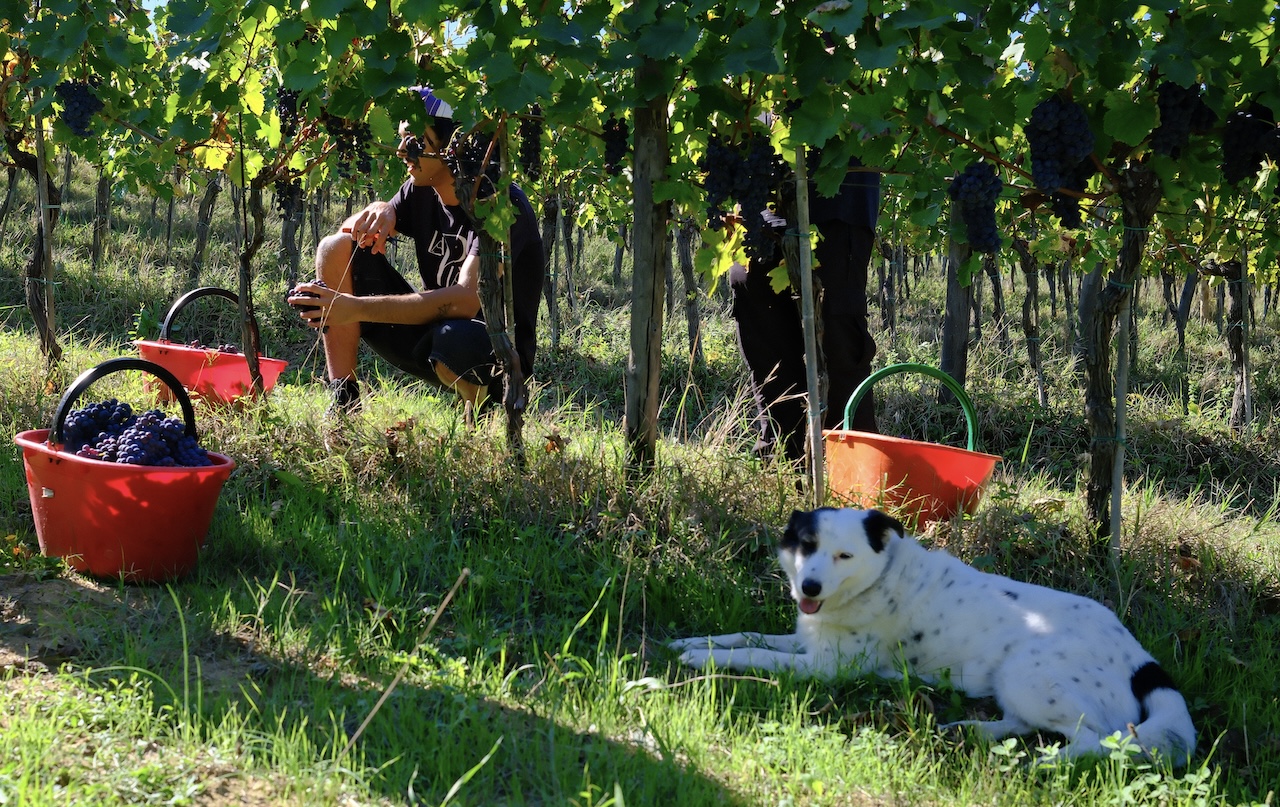
To explore Chianti through wine is to engage all the senses. Vineyards stretch across hills shaped by centuries of cultivation. Cellars tell stories of patience and craft. Conversations with those who work the land reveal a deep connection between place and purpose.
For many travelers, discovering this side of Tuscany through a thoughtfully planned wine tour becomes one of the most memorable parts of their journey.
It is not simply about tasting, but about understanding how wine fits into the broader cultural and human landscape of the region.
Chianti is a landscape shaped slowly, through centuries of cultivation and care. Its wines are the result of patience, observation, and a deep familiarity with the land. To experience Chianti is to step into a rhythm that values continuity over speed, where wine remains one of Tuscany’s most enduring cultural expressions.