Wine Tours in Tuscany - About Angie - WhatsApp - angie.chianti@gmail.com

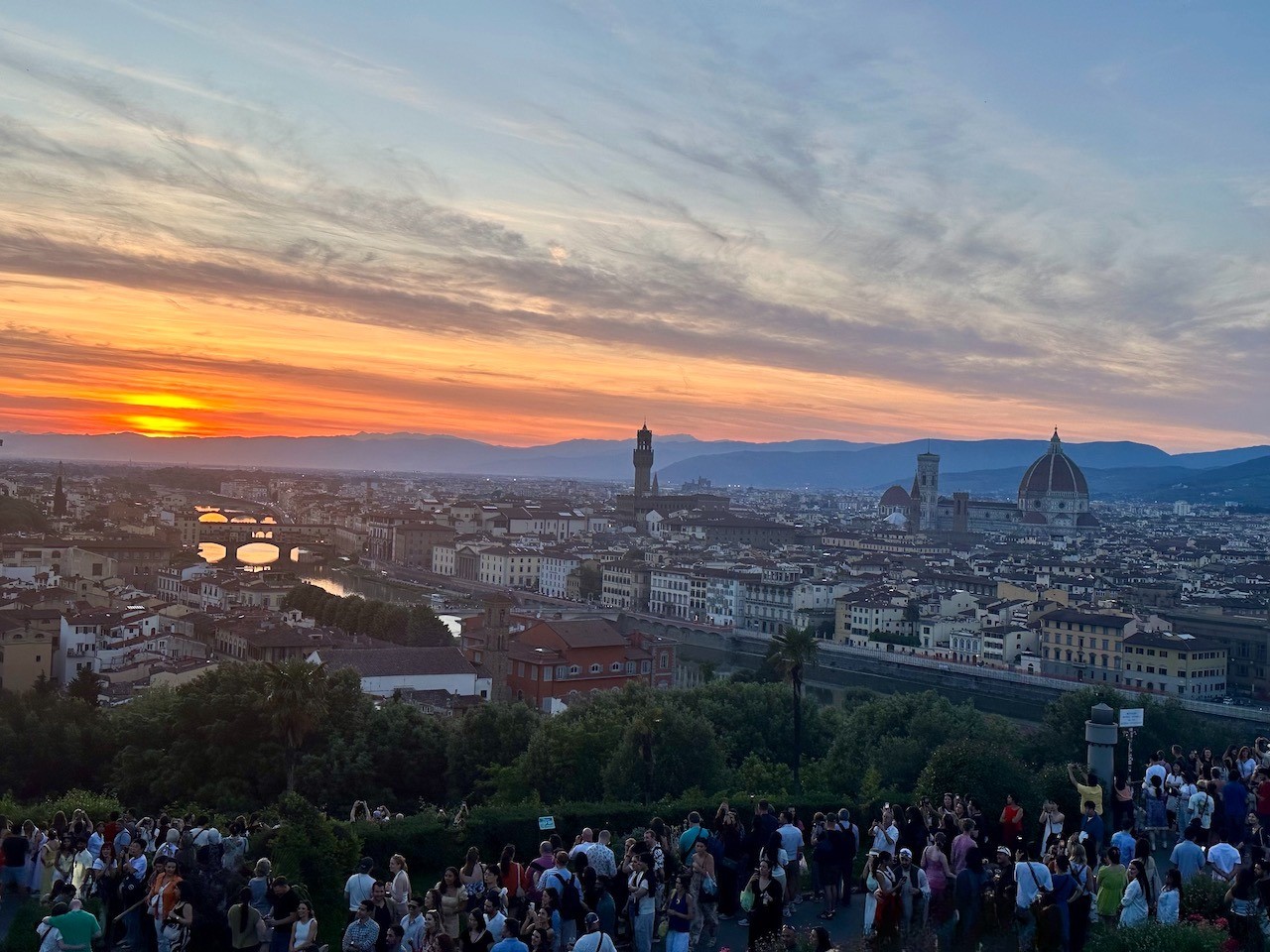
I’ve lived between Florence and the Tuscan countryside for over twenty years. I know this city in every season, in every light, in every mood , the electric energy of a summer sunset at Piazzale Michelangelo with a thousand strangers, and the quiet of a January morning when the streets belong to the Florentines again. This is not the standard guide. This is what I actually tell people when they ask me when to go and what not to miss.
Why Florence Is Different Every Month
Most travel guides tell you Florence is beautiful year-round. That’s true, but it misses the point. Florence in May and Florence in November are almost different cities, different light, different crowds, different food, different rhythm. Understanding that difference is what turns a good trip into an unforgettable one.
The museums are always there. The Duomo is always there. But the schiacciata con l’uva only exists for six weeks in September, the Jazz Festival transforms the Oltrarno for one extraordinary week, the rooftop bars make sense only in summer, and the city’s hidden private gardens open their doors just once or twice a year. Florence rewards those who time their visit well and those who know what to look for when they arrive.
If you’re planning a honeymoon in Florence, a milestone anniversary, or a special occasion trip, this guide is for you. And if you want to combine the city with a wine tour into the Tuscan countryside , the Chianti hills, Montalcino, Montepulciano our group wine tours from Florence run year round and pair beautifully with any stay in the city.
Spring in Florence: March, April, May
Spring is when Florence wakes up. The light softens, the gardens open, and the city shakes off winter without yet being overwhelmed by summer crowds. If I could send every first-time visitor at one time of year, it would be April or May.
March: Wine Season Opens and the City Breathes
March is quieter than most people expect, and that’s part of its charm. The museums are manageable, hotel rates are still reasonable, and the Florentines are in a good mood after winter.
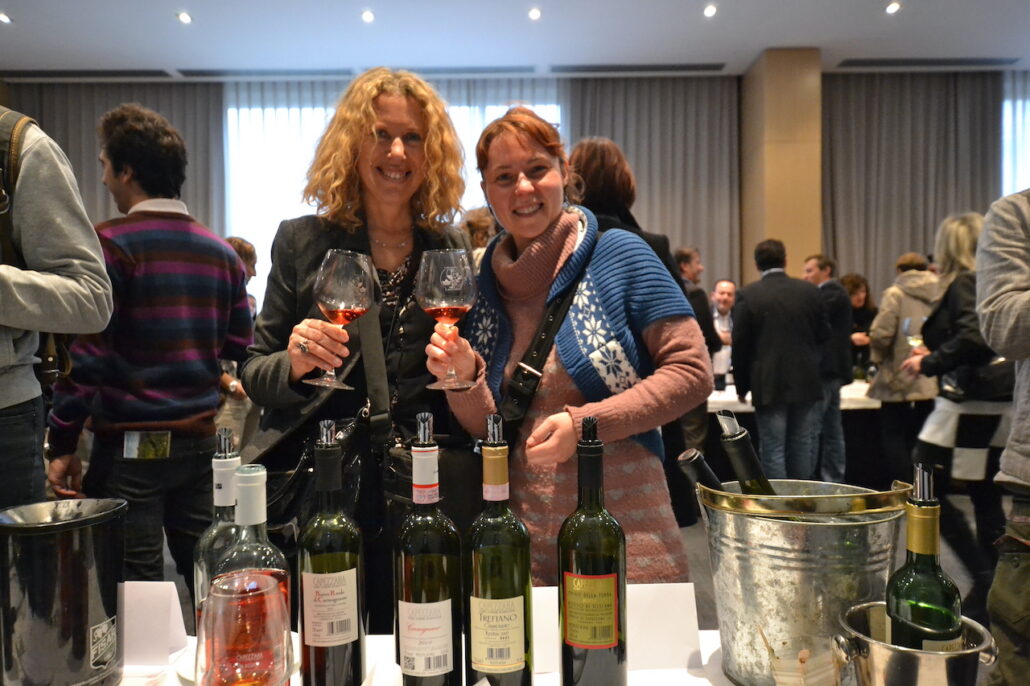
For wine lovers, March is when Tuscany’s new vintages begin to be presented publicly. The biggest event is Chianti Collection, usually held in Florence in late January or February a major professional and public tasting that gathers producers from across the Chianti Classico zone. The venue is the Stazione Leopolda Florence’s magnificent 19th-century former railway station, a vast industrial space of exposed brick arches and iron columns that has been repurposed as the city’s most important cultural and events venue. Walking into the Leopolda for the first time is its own experience: the scale of it, the light, the history of a building that once connected Florence to the world by rail.
In March there’s also Eccellenza di Toscana, typically held at the Stazione Leopolda. Over two days, hundreds of producers pour more than 900 Tuscan labels for the public. Entry is around €25. Masterclasses run alongside the tasting. Worth checking the current year’s dates and venue as it occasionally moves to nearby locations.
What to eat in March: The last of the winter ribollita Florence’s great bread and vegetable soup, made properly only when the black kale (cavolo nero) is still good. And cantucci con Vinsanto, the almond biscuits dipped in sweet dessert wine that you’ll find in every Tuscan restaurant, year-round and irreplaceable.
April: Gardens, Roses, and the City Before the Crowds
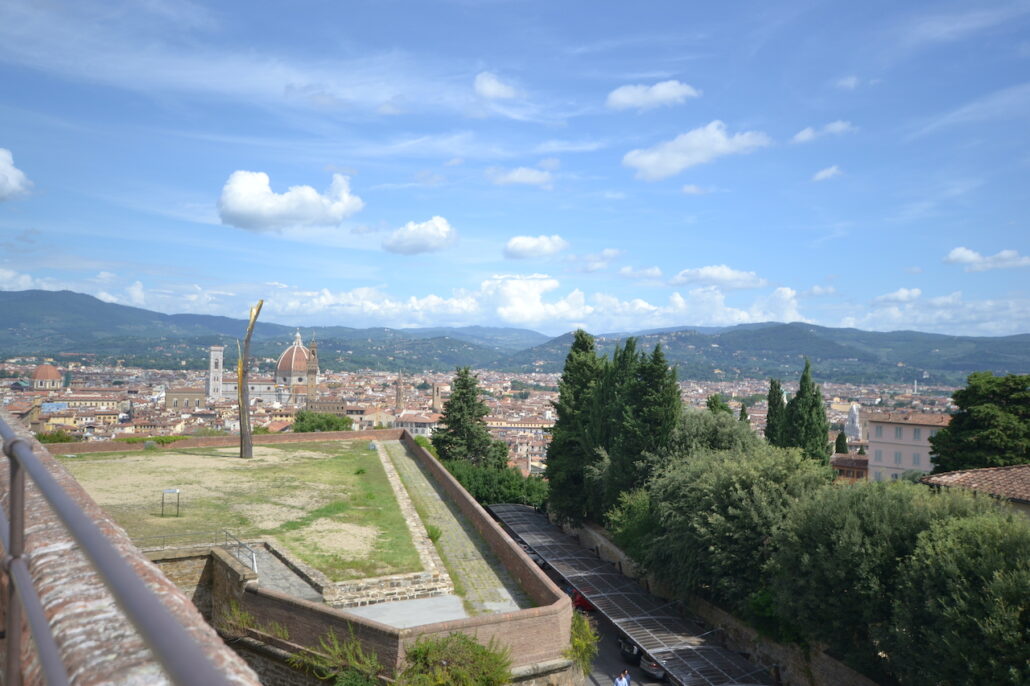
April is close to perfect. The Giardino delle Rose on the hillside above the Oltrarno reopens a terraced garden with over a thousand varieties of roses and a permanent installation of sculptures by the Belgian artist Jean Michel Folon. The views over Florence from here are extraordinary and almost nobody mentions it. Free entry, open every day.
Just above it, the Villa Bardini garden is one of the most dramatic and undervisited spaces in the city. A long formal staircase descends through manicured terraces toward a panoramic view of Florence that stops you mid-step.
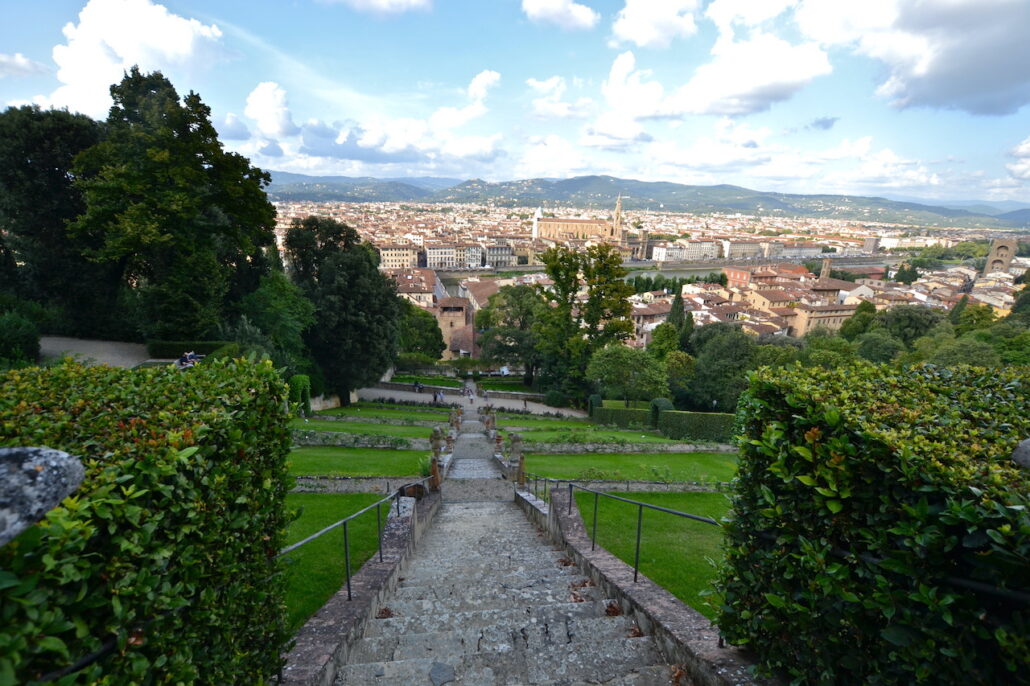
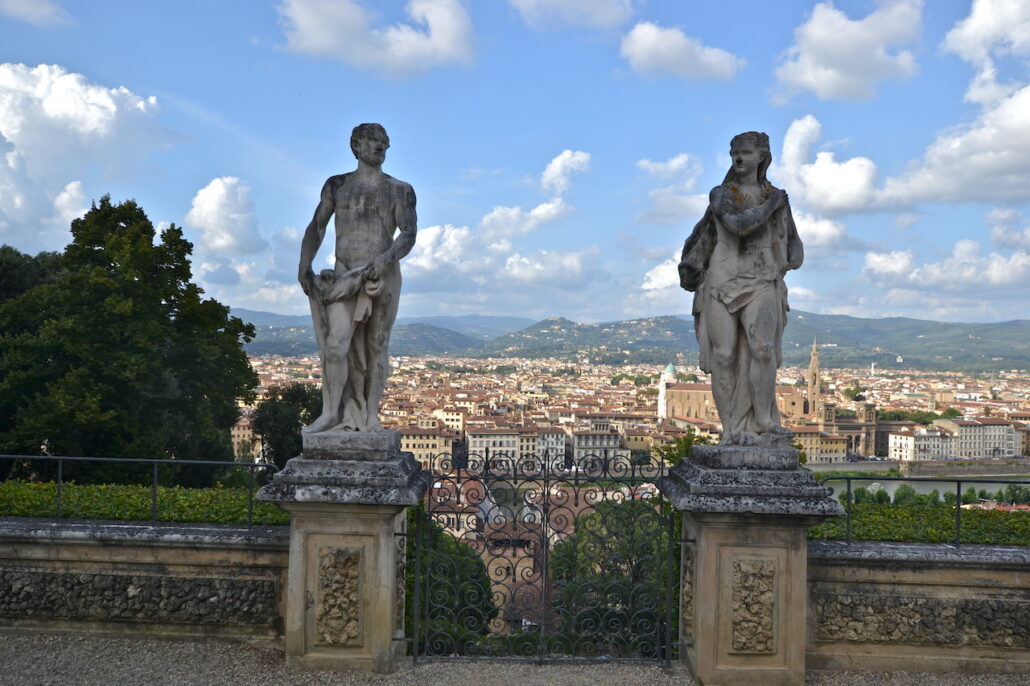
The café at the top is excellent. There is a small entrance fee but worth every euro, partly because you’ll likely have much of it to yourself. And the statues two classical figures standing sentinel over the city are one of those details that make you feel like you’ve stepped inside a painting.
The Sunday markets at Piazza Santo Spirito, my favourite in the city are particularly good in spring. These are not tourist markets. The vendors are real producers: small farmers from the Florentine countryside selling organic vegetables, honey, handmade jams, fresh bread and focacce, natural wines, handcrafted jewellery, dried flowers. The atmosphere is genuinely Florentine, closer to a Provençal village market than anything you’d expect to find in a major Italian city. I go almost every Sunday and always come home with something. The organic/artisan market is usually the second Sunday of the month check local listings for the exact dates.
What to eat in April: Fresh pecorino with local honey the sheep’s milk cheese from the Tuscan countryside is at its best in spring or Pecorino and Fave beans. And bruschetta, grilled Tuscan bread rubbed with garlic, topped with fresh tomatoes, basil or oregano, and a generous pour of local olive oil. One of those things that sounds too simple to be remarkable and somehow always is.
May: Secret Gardens, Hidden Palaces, and the First Gelato
May brings one of my favourite annual events: the Giornata Nazionale delle Dimore Storiche the National Day of Historic Residences, organised by ADSI. Private palaces and villas that are normally closed open their doors for a weekend. This access is genuinely rare.
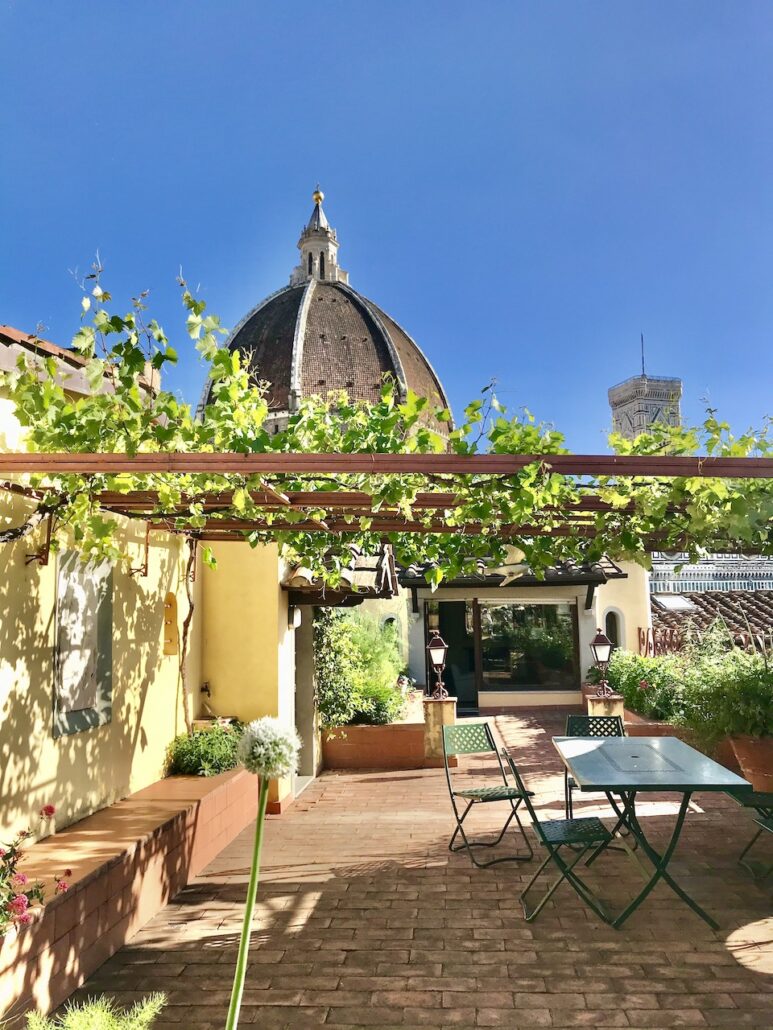
Palazzo Pucci at Via de’ Pucci 2 is one of the most extraordinary examples. The Pucci family still lives here this is a working aristocratic residence, not a museum and the frescoed rooms, including the Salone di Apollo, are among the most spectacular interiors in Florence. But the surprise is on the roof: a synergistic rooftop garden (orto sinergico), where the family grows vegetables and herbs using ancient organic farming methods, right above the Florentine rooftops with the Duomo watching over everything.
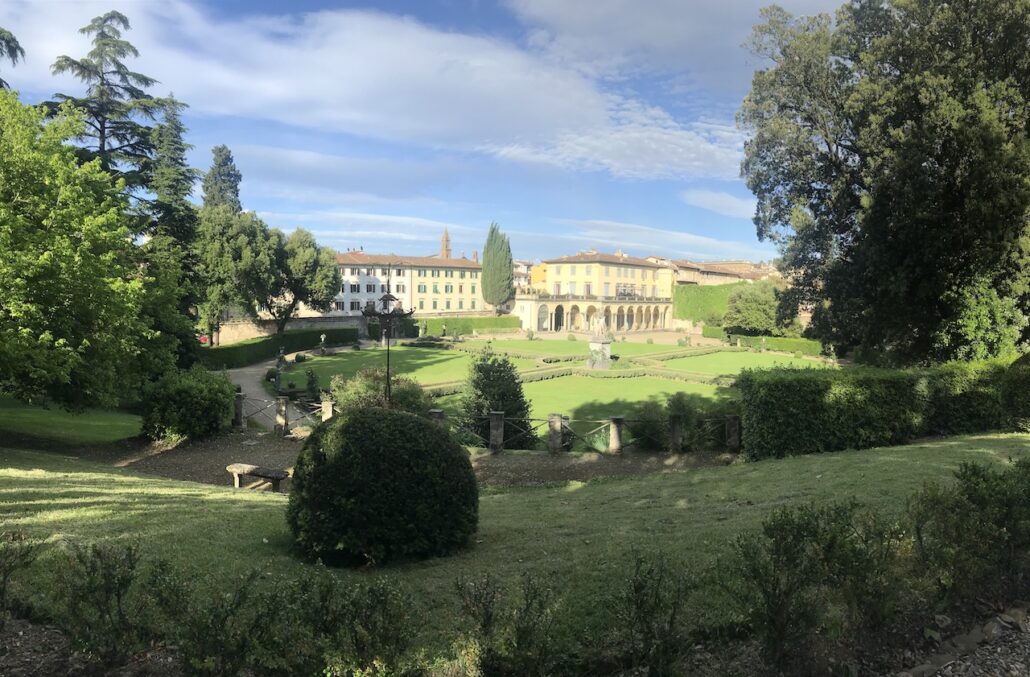
The Giardino Torrigiani the largest private garden within any European city walls also sometimes opens in May. An extraordinary private world of rare trees, an old tower, centuries of botanical history, and silence that shouldn’t exist five minutes from the Ponte Vecchio.
May is also when the gelato season truly begins. Florence has some of the best gelato in Italy but only from artisan producers who make it fresh daily. Look for “artigianale” on the sign and avoid anything displayed in towering, brightly coloured mounds. In May, the fragola strawberry is the flavour to order. Italian strawberries in season taste nothing like what you get at home.
What to eat in May: Fave e pecorino fresh broad beans eaten raw with young pecorino, one of the most purely Tuscan combinations imaginable, available only in spring. And the first local cherries at the market.
Summer in Florence: June, July, August
Summer is hot, crowded, and if you approach it right magnificent. The evenings are long and golden, the energy is extraordinary, and Florence at night in July is one of those experiences that changes how you think about cities.
June : San Giovanni, Calcio Storico and the Long Evenings
June opens with one of the most extraordinary events in Italy: Calcio Storico Fiorentino, played in Piazza Santa Croce in the third week of June. A medieval cross between football, rugby, and wrestling, played in historical costume with almost no rules and considerable violence. It has been going on since the 16th century. The Medici played it.
I went once, years ago, a friend of mine is one of the sbandieratori, the flag throwers who perform in full medieval costume before the match. I managed to get into the front row, which felt like a small victory. Then a sudden summer storm broke and the match was postponed to the following day. I never made it back. Partly because of the storm, partly because the game itself is genuinely, spectacularly violent not in a theatrical way, in a real way. But the hour before, with the drummers and the flag throwers in costume filling the piazza while the medieval buildings of Santa Croce close around you that part I’d do again without hesitation. Tickets sell out well in advance.
But the most important day in the Florentine calendar is June 24th, the Feast of San Giovanni, the city’s patron saint. This is Florence’s oldest and most deeply felt celebration, rooted in traditions that predate the Renaissance. The eve of San Giovanni brings the acqua di San Giovanni ritual, flowers and herbs left overnight in water under the stars, then used to wash the face at dawn, a folk tradition of purification that Florentine women have practised for centuries. The celebrations connect the sacred and the profane from the Scoppio del Carro at Easter, through the Cavalcata dei Magi in January, to the June feast itself. If you’re in Florence on June 24th, you’re seeing the city at its most authentically itself. The evening ends with fireworks over the Arno, visible from the Piazzale and the Lungarno.
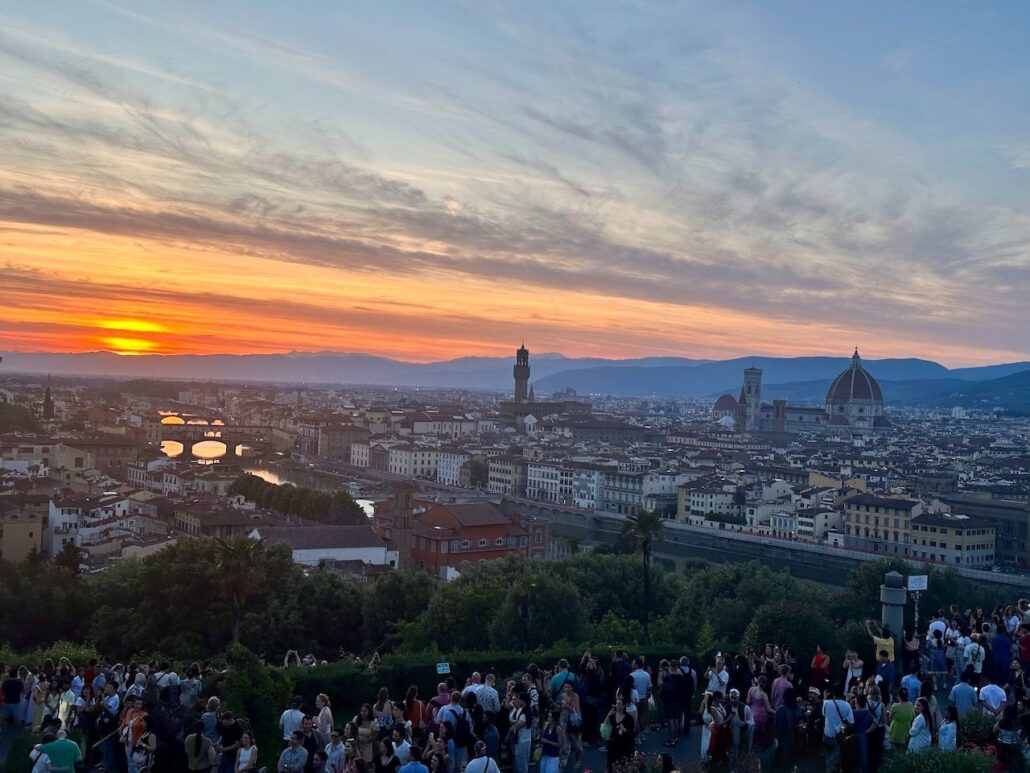
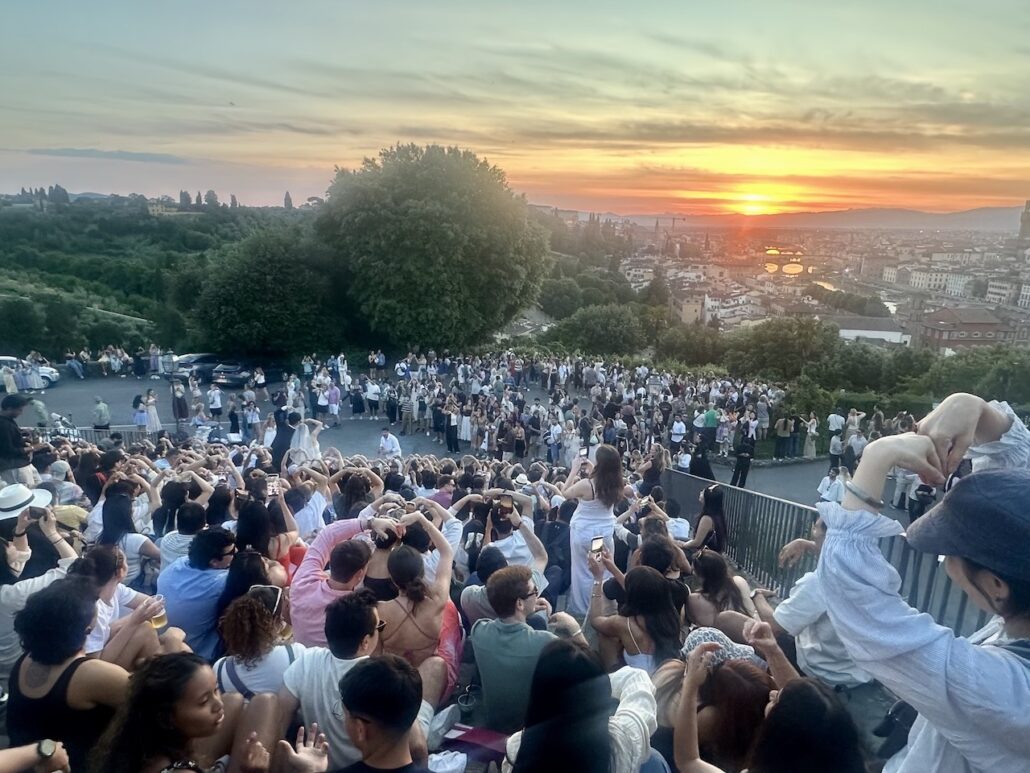
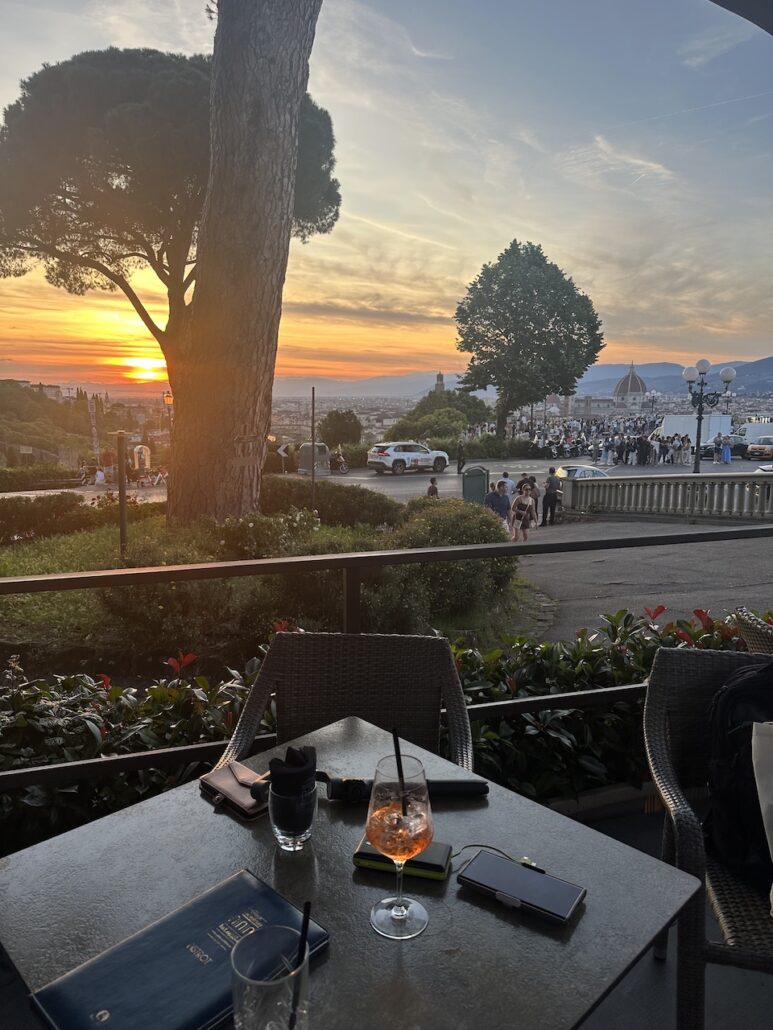
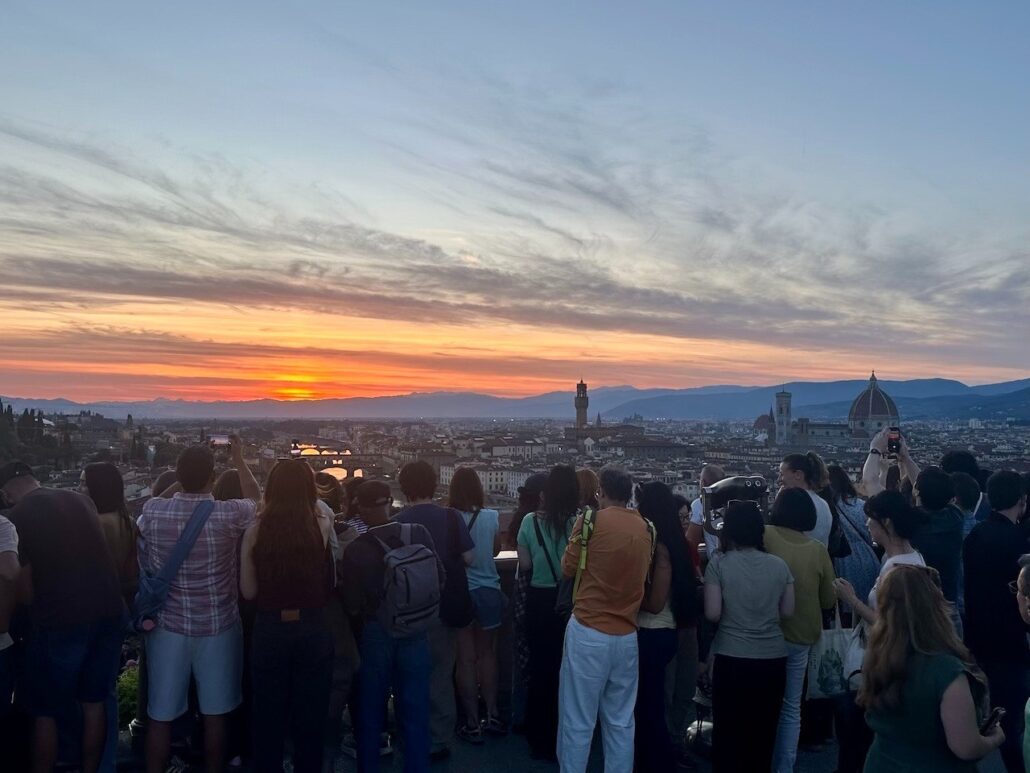
June is also when the Piazzale Michelangelo sunset ritual begins in earnest. Every evening, as the sun drops behind the hills, hundreds of people gather on the terrace above the city. In high summer it becomes thousands, hands raised, phones out, a spontaneous collective celebration of the light. It is simultaneously overwhelming and one of the most beautiful things Florence offers. My advice: book a table at La Loggia, the restaurant just above the Piazzale, and watch from the terrace with an Aperol Spritz. You’re above the crowd, you have a seat, and the view is even better.
Estate Fiesolana: throughout July and August, the hilltop town of Fiesole, just 20 minutes from Florence hosts one of Italy’s oldest summer festivals, with concerts, cinema, theatre, and dance in outdoor venues overlooking the Florentine valley. An easy and beautiful evening out from the city.
What to eat in June: Pappa al pomodoro, Tuscany’s great tomato and bread soup, served at room temperature in summer. And the first local peaches.
July: The Remaioli, the Roof Bars, and Florence from the Water
July is my favourite summer month. The city is full but hasn’t yet hit August intensity, and the evenings on the Arno are extraordinary.
The Remaioli are one of Florence’s oldest traditions and one of its best kept secrets. The word remaiolo (plural: remaioli) means “oarsman” in old Florentine dialect, these were the boatmen who worked the Arno for centuries, transporting goods, fishing, and maintaining the river culture of the city. Their rowing club has been on the Arno since the 19th century, keeping alive a tradition that predates the Renaissance.
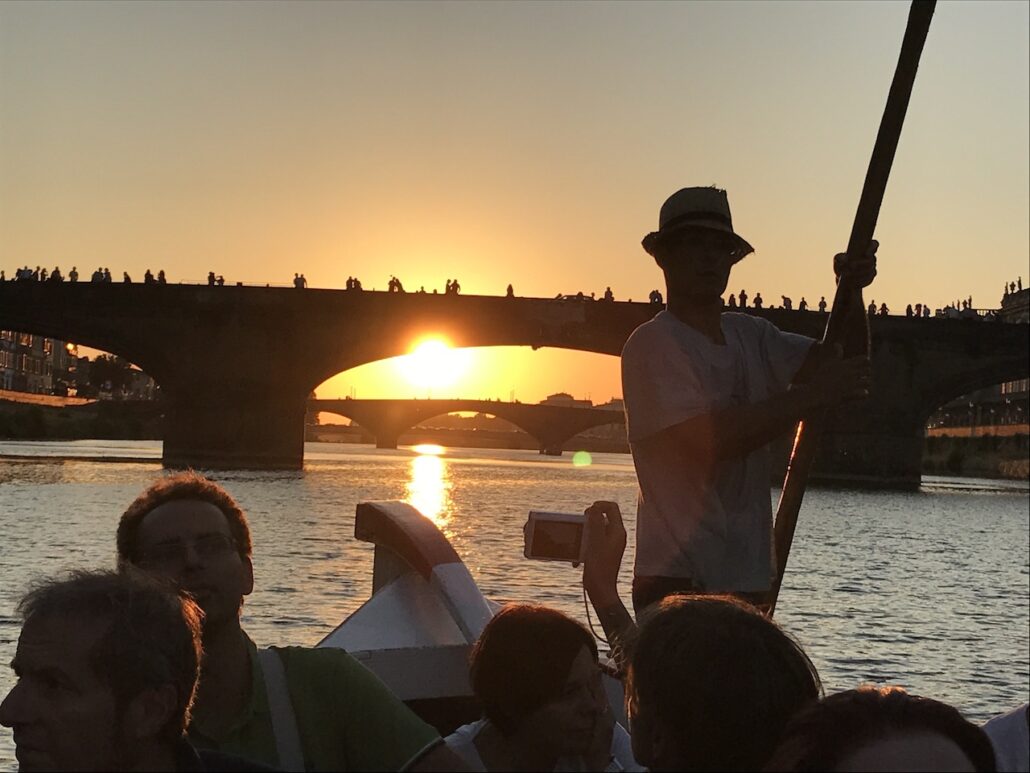
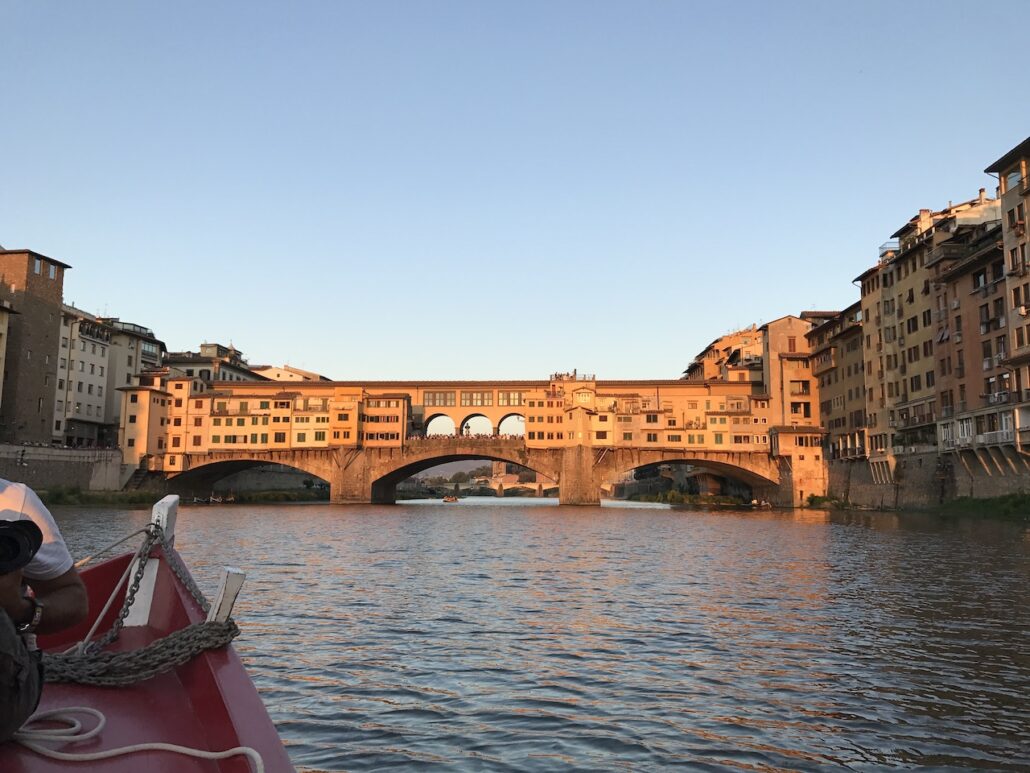
From May 1st to September 30th, they offer evening boat tours on the river hour long trips on traditional wooden barchini, departing every hour from 6pm to 9pm. You drift under the Ponte Vecchio at eye level, watching the medieval buildings that hang over the water turn gold in the late afternoon light. A guide tells you the history of Florence from the river, a completely different perspective on a city you thought you knew.
Pricing is per boat, maximum 14 people: up to 4 people €100 + VAT; from 5 people, €25 per additional person up to 14. Children 6 15 pay €15; under 6 free. Private boats available. Book online, these fill up weeks ahead in July and August.
The roof bars come into their own in summer. Florence has several extraordinary rooftop terraces, and I know them well, for my first wedding anniversary I did a full rooftop tour of the city, ten bars in one day, each with a different view and a different drink. A story for another time, but the short version is: Florence from above is one of the great pleasures this city offers.
The ones not to miss:
The bar at the Uffizi , yes, the gallery has a rooftop café open to non-museum visitors puts you at eye level with the Duomo in a way that feels almost illicit. Most tourists walk past the entrance without realising it exists.
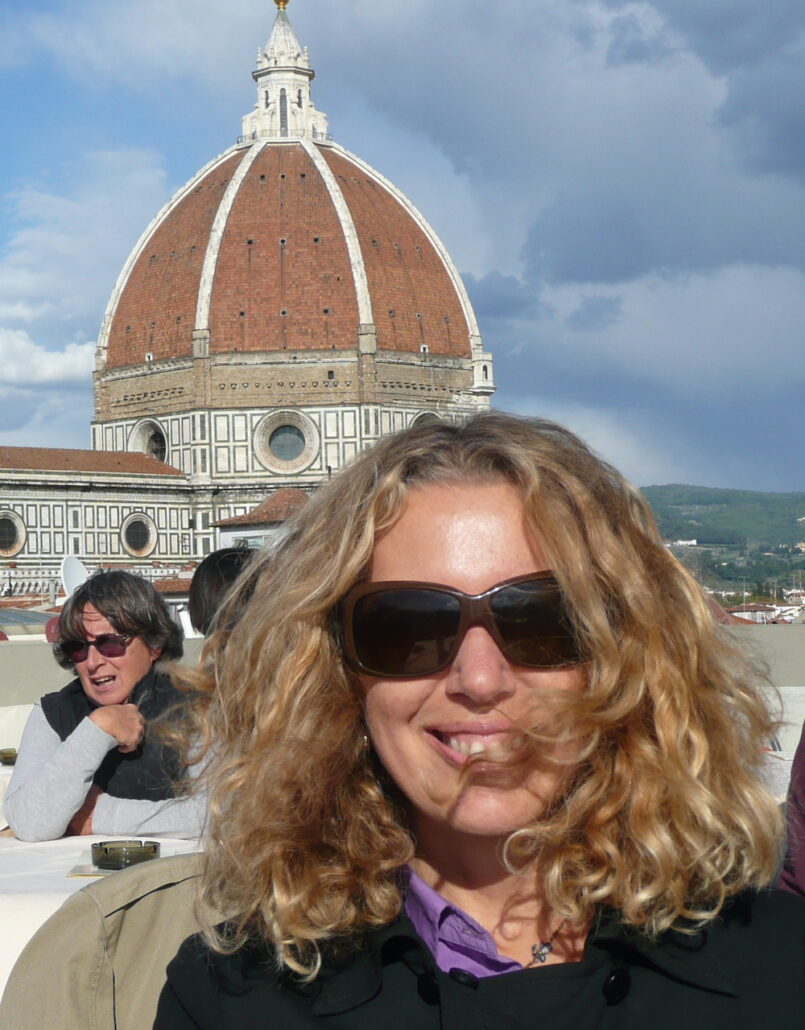
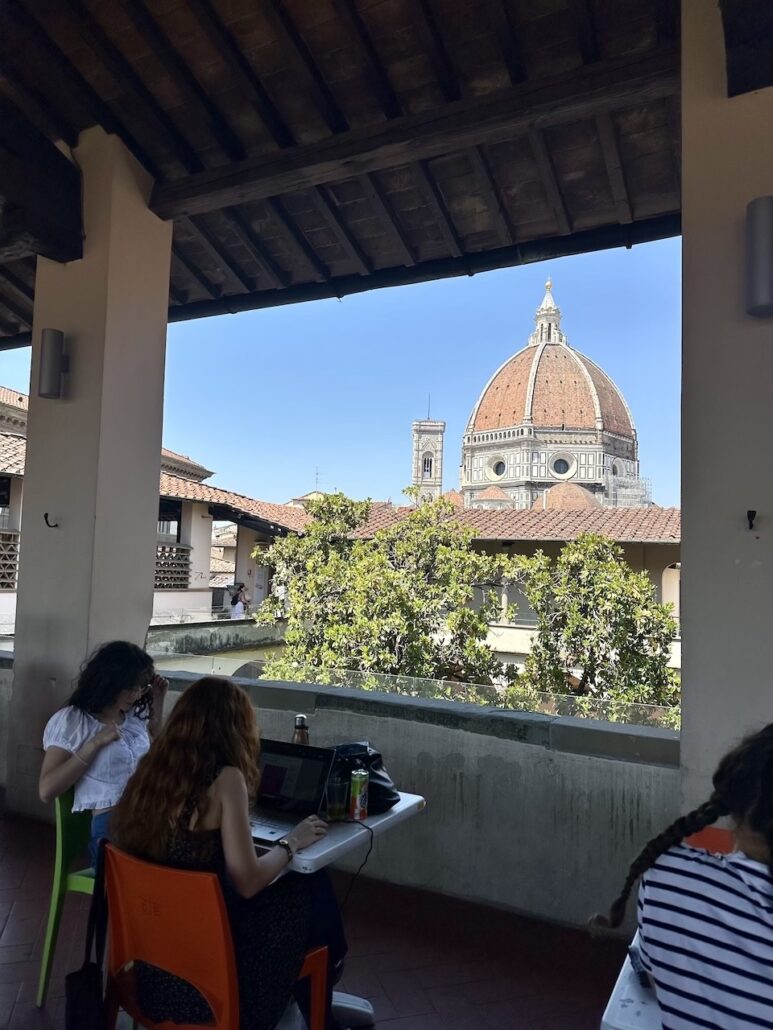
A similar surprise awaits at the Caffè delle Oblate, the terrace of this library café looks directly at the Duomo from across the street. Less known than the Uffizi bar, quieter, and with that particular pleasure of sitting somewhere that was never designed for tourists.
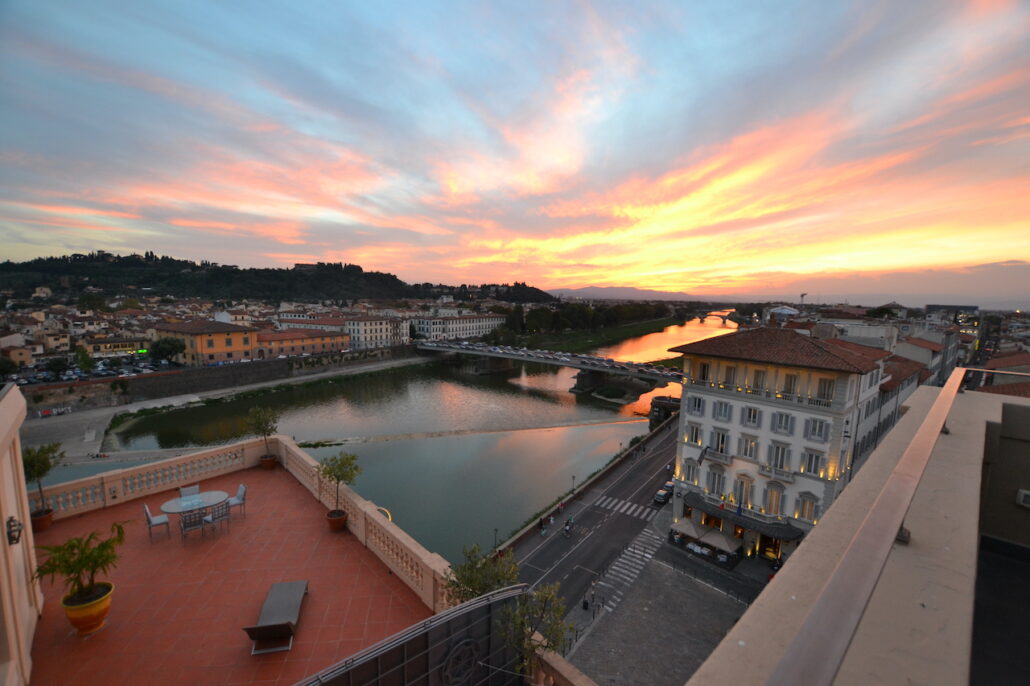
The Excelsior Hotel roof bar on the Lungarno offers what I think is the best panoramic view of the Arno at sunset in the city. I had aperitivo here the evening before my wedding, with my closest friends, watching the sun go down over Florence. I can’t think of a better way to have spent that particular evening. Worth the price of a drink for anyone celebrating anything.
La Loggia at Piazzale Michelangelo is essential all summer.
What to eat in July: Melone e prosciutto, Tuscan prosciutto with ripe cantaloupe melon. Caprese with local buffalo mozzarella and genuine tomatoes. Pecorino e pere, aged pecorino with fresh pears. Summer in Tuscany is about combinations, not recipes.
August: The Quieter Side and the Serre
In August, the Florentines leave. The city is simultaneously at its most crowded with tourists and its most empty of locals. Mid to late August, particularly on weekday mornings, can feel surprisingly peaceful away from the main sites.
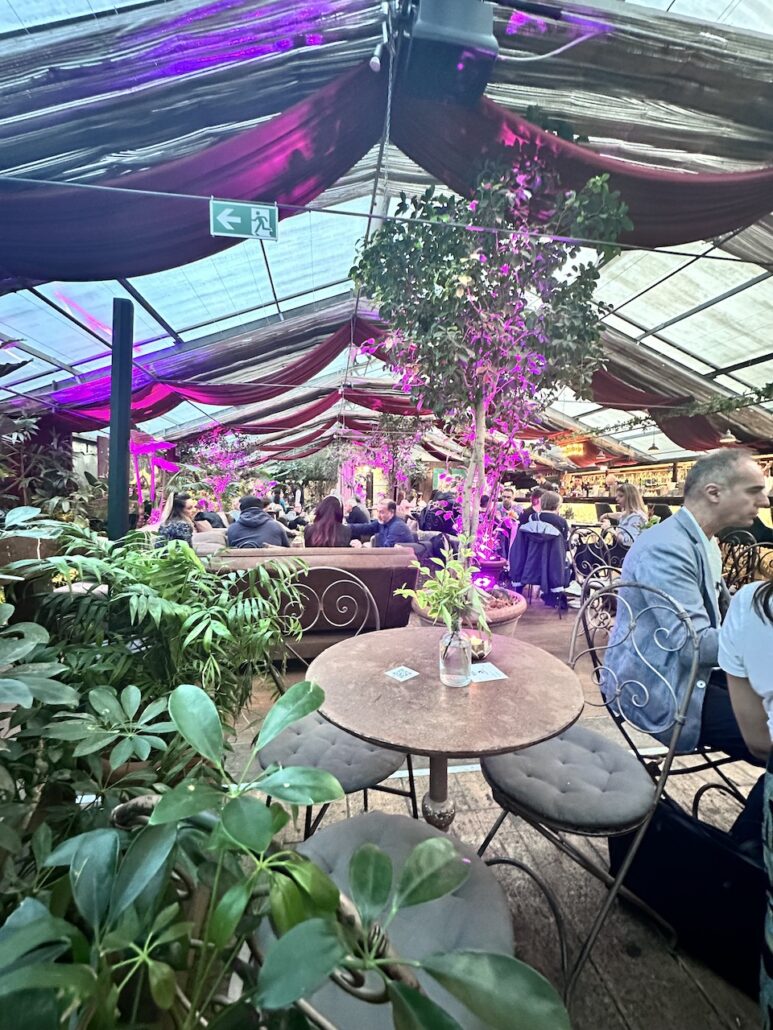
The Serre Torrigiani is one of my favourite discoveries for this time of year. Hidden in the Oltrarno, it’s a genuine Victorian era botanical greenhouse, still a working serra that has been transformed into one of the most atmospheric aperitivo and dinner spaces in the city. Plants everywhere, soft purple lighting, vintage furniture, the smell of earth and green. Open year-round, wonderful in summer evenings.
What to eat in August: Cannellini all’uccelletto white beans slow cooked with sage, garlic, and tomato, one of the great Florentine dishes. Parmigiana di melanzane, aubergine baked in layers with tomato and basil. Ripe figs from the market in late August. Cold panzanella, stale bread salad with tomatoes, cucumber, red onion, and basil.
Autumn in Florence: September, October, November
Autumn is when Florence becomes itself again. The summer crowds thin, the light goes golden, and the city settles into the rhythm the Florentines actually live. September and October are, for my money, the two best months of the year.
September: Jazz, Harvest, and the Schiacciata con l’Uva
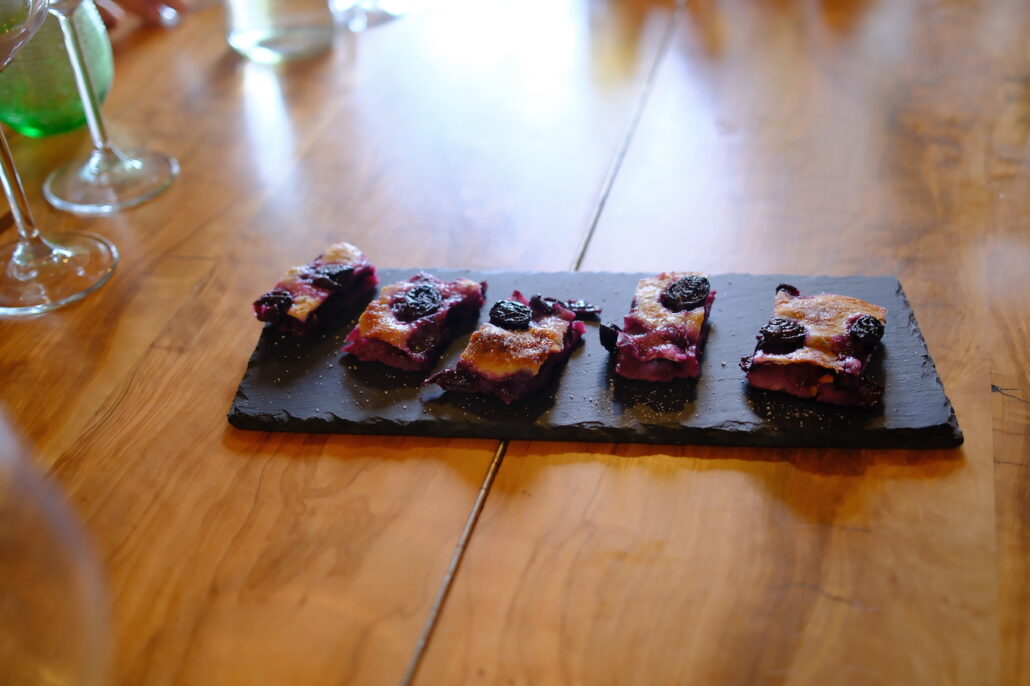
September in Florence smells different. The vendemmia, grape harvest is underway in the hills, and the scent of fermenting grapes drifts into the city on certain evenings. The schiacciata con l’uva appears in every bakery: a flat bread studded with fresh Sangiovese or Canaiolo grapes, sugar, and rosemary, made only during harvest season, available for approximately six weeks. It exists nowhere else in Italy and only in this window of the year. Do not miss it.
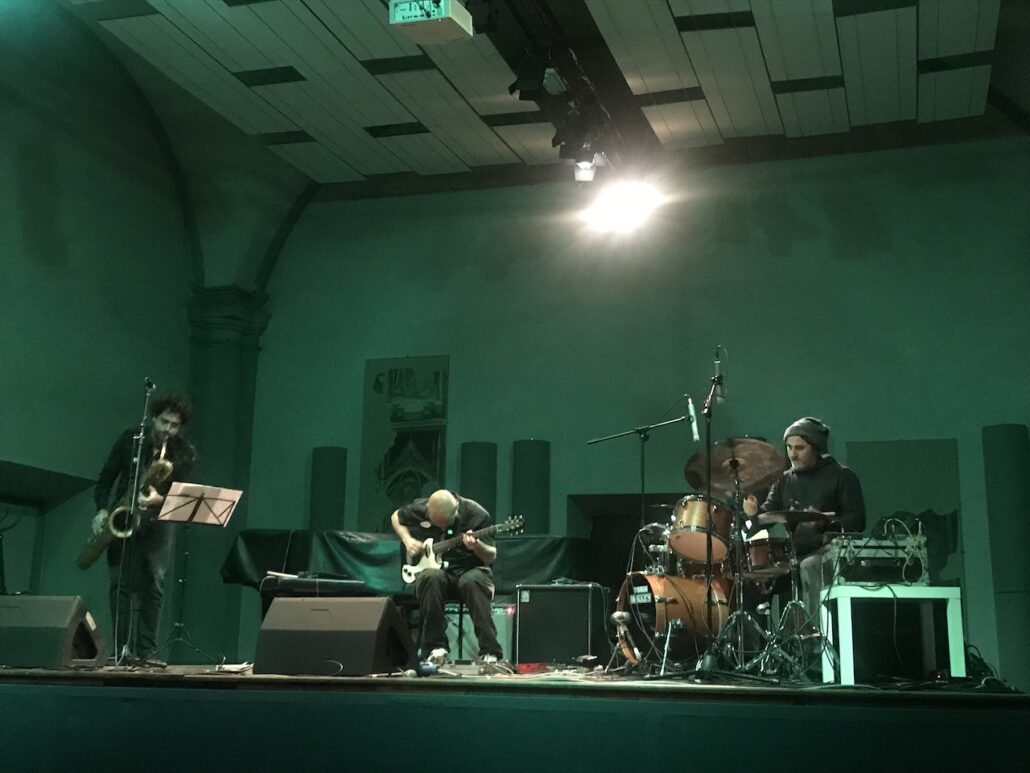
The Firenze Jazz Festival transforms the city in the second half of September. Concerts across the historic centre and Oltrarno, the Forte Belvedere, the Anfiteatro delle Cascine, piazzas and courtyards throughout the city. I look forward to it every year. It’s also where I’ve discovered some of the best Tuscan musicians working today, local artists I end up following through the winter, when they play smaller evening sets in the intimate music venues scattered through the city. Florence has a real jazz scene that most visitors never know exists. The festival is the door into it. Check firenze jazz festival for the current year’s programme.
The markets fill up with porcini mushrooms in September, enormous, fragrant, extraordinary on pasta, on bruschetta, grilled with olive oil and garlic.
This is also an excellent month to add a Chianti wine tour to your Florence stay the harvest is underway and the estates are at their most atmospheric. Our group Chianti wine tours from Florence
What to eat in September: Schiacciata con l’uva. Fresh porcini on tagliatelle. And the first novello wine from some producers , young, fresh, unfiltered, drunk cold.
October: Castagnaccio, Art, and the Stradine
October brings cooler air and extraordinary colours. The chestnut harvest arrives, and with it the castagnaccio appears in every bakery: a dense, flat cake made from chestnut flour, pine nuts, raisins, and rosemary, with no sugar and an ancient, earthy flavour that is uniquely Tuscan. It polarises people you either love it immediately or find it strange. Either way, try it.
The Fortezza da Basso Florence’s massive 16th-century fortress hosts major exhibitions and events. When friends come to visit, this is often part of the circuit I take them on the contrast between the ancient walls and whatever contemporary work is inside never gets old.
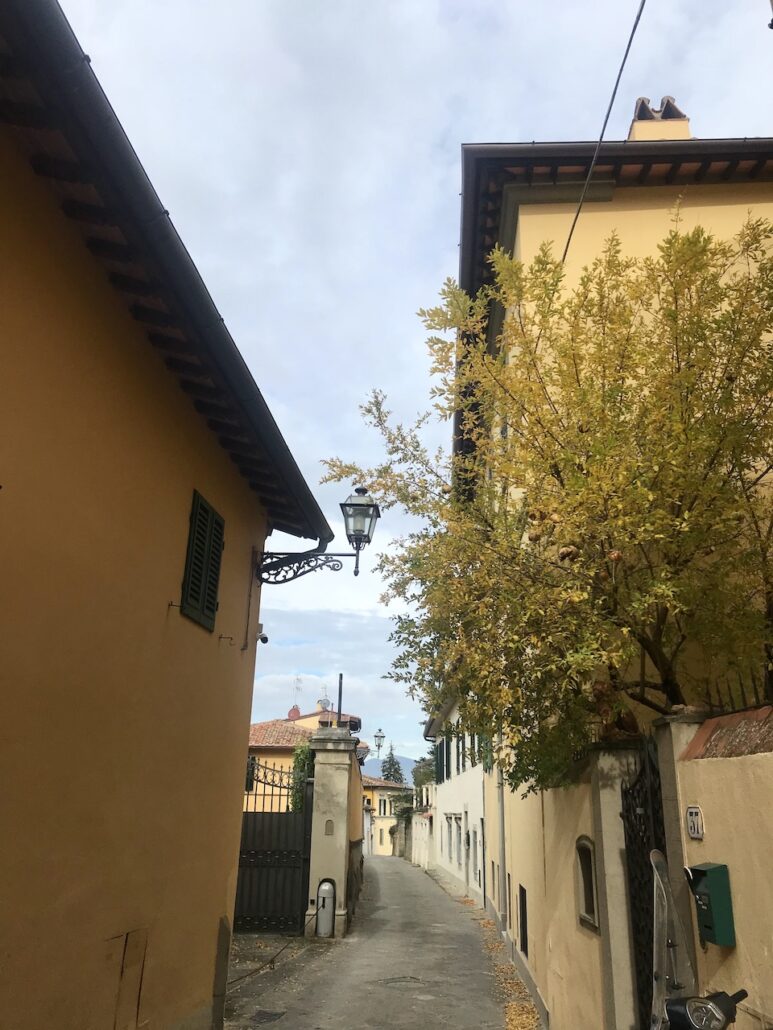
The stradine around Piazzale Michelangelo are beautiful in October. Via dell’Erta Canina is a narrow lane that descends from the hills through old villas, olive groves, and medieval walls, another stop on my personal tour for visiting friends. In October the trees along it turn gold and the light filters through in a way that makes everyone reach for their phone.
What to eat in October: Castagnaccio. Ribollita is back the cold weather brings out its best. Truffles begin appearing on menus. And cantucci con Vinsanto on a cool October evening
November , Truffle, New Oil, and the Intimate City
November is the month most people dismiss and the one I find most quietly beautiful. The tourist volume drops dramatically. The city reveals its actual face.
White truffle season peaks in November from the forests of the Mugello and the Valdarno, shaved over pasta, eggs, and risotto in restaurants across the city. Ask for tartufo bianco locale.
New olive oil arrives in November, and with it dozens of small festivals. The olio nuovo, pressed from olives harvested in October, is vivid green, intensely peppery, almost shocking in its freshness. I go to the Mercato Centrale in November specifically for this: the market fills with stands offering free tastings of new oils, cheeses, local products. I always end up tasting everything and staying far longer than planned.
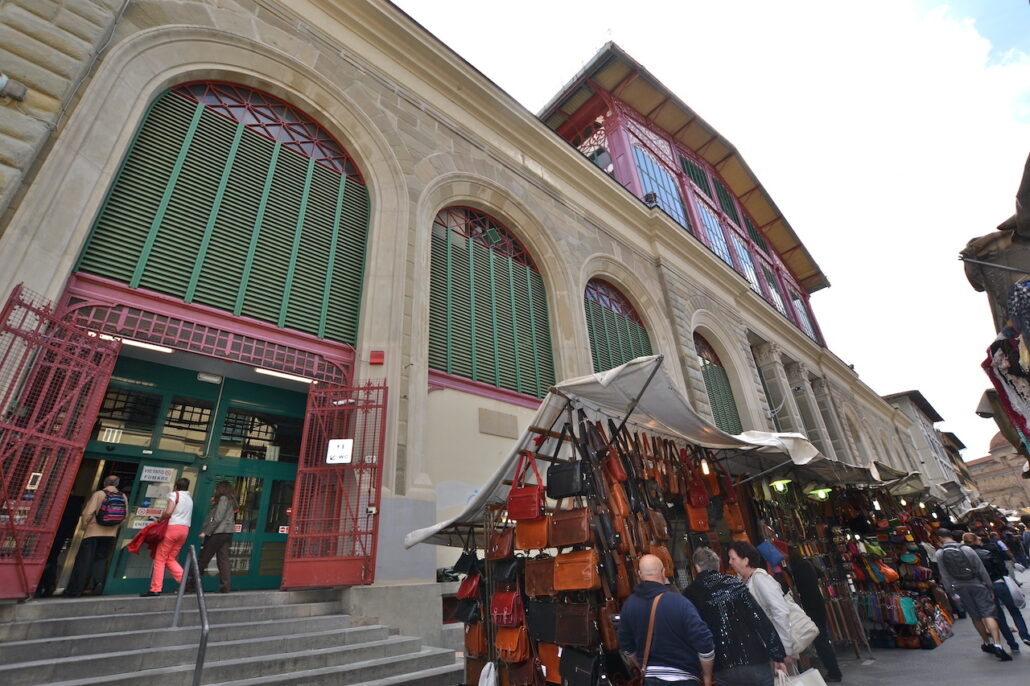
And directly opposite the market: Pasticceria Sieni, the oldest patisserie in Florence, open since 1909. The original wood-burning oven is still visible inside. It’s one of those places that makes you understand that Florence doesn’t perform its history for tourists. It just has that much of it.
The Caffè delle Oblate deserves a mention in every season, but November is when the indoor side comes into its own. The same building that has a rooftop terrace with Duomo views in summer also houses a vast library, a bookshop, and a warm interior reading room looking directly at the dome through the windows. On a grey November morning, order a coffee, find a seat by the window, and watch Florence go about its day with the Duomo framed in front of you. One of those small moments that explains why people move here and never leave.
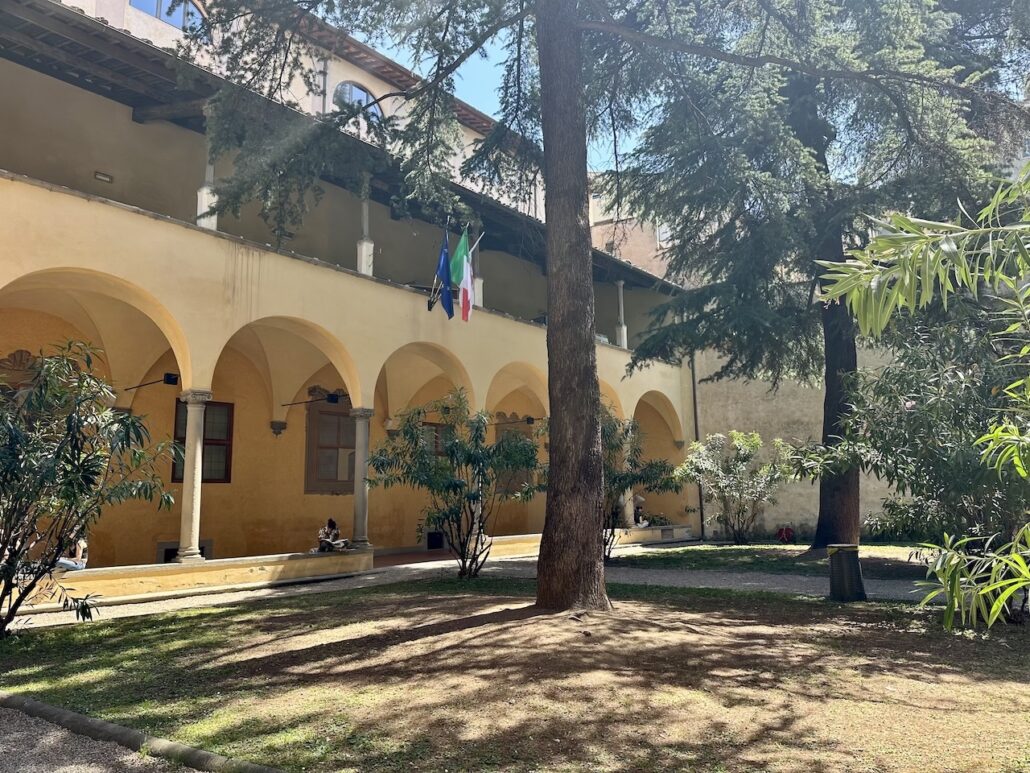
Palazzo Strozzi typically has a major autumn/winter exhibition. Cinema Odeon on Piazza Strozzi a beautiful Art Nouveau cinema with a bookshop and café occasionally screens films in original language. Worth visiting for the interior alone.
What to eat in November: White truffle on anything. Ribollita. Fettunta, warm Tuscan bread with new olive oil. And cantucci con Vinsanto, always.
Winter in Florence: December, January, February
Winter Florence is a secret that most visitors never discover. The city is quieter, the prices are lower, and on certain mornings after rain, when the air is clear and cold and the Duomo seems to float above the rooftops, it is the most beautiful city in the world.
December : Christmas, Markets, and the Tree at the Piazzale
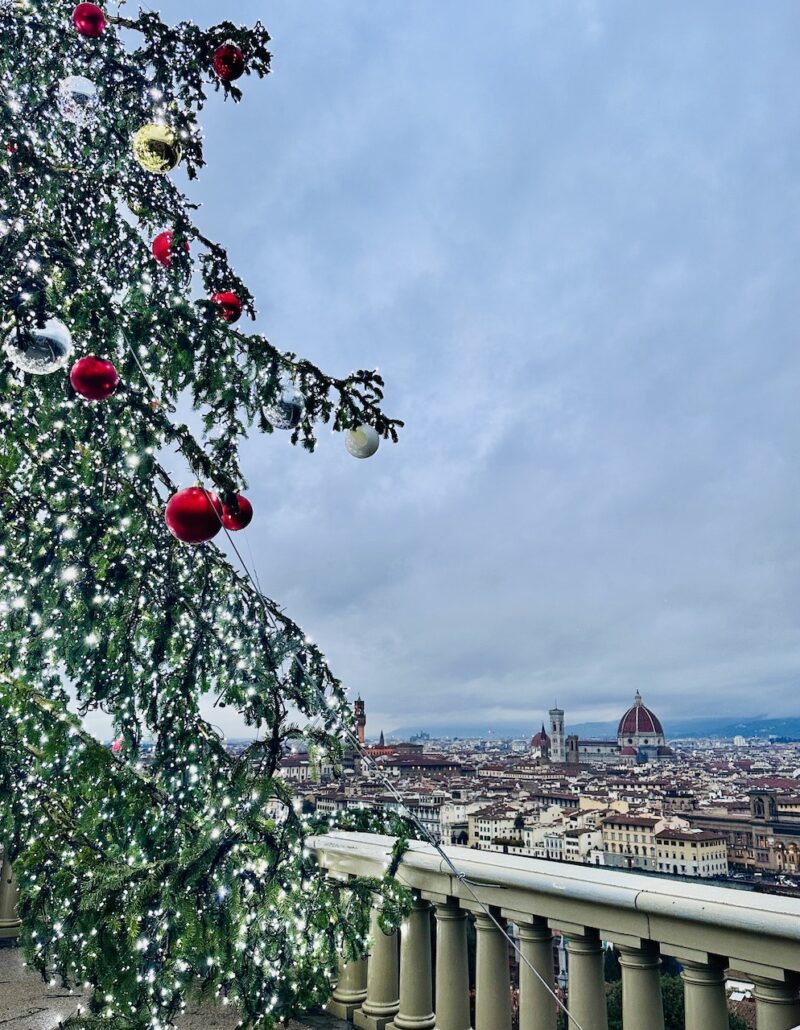
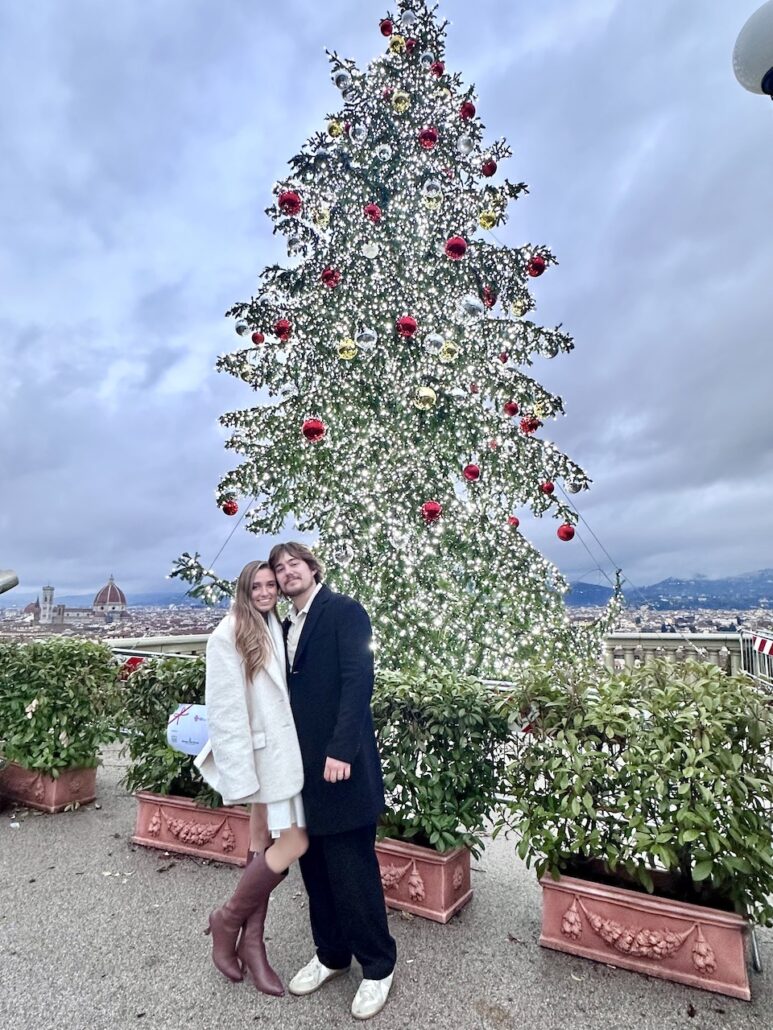
December brings the Christmas tree to Piazzale Michelangelo a large illuminated tree on the terrace above the city, with the Duomo visible in the distance. Go in the late afternoon as the light fades and the tree lights up against the grey sky. If you’re here with someone you love, this is the moment.
The Sunday market at Piazza Santo Spirito is particularly good in December local artisans, organic farmers, handmade gifts that have nothing to do with mass tourism. This is my favourite market in Florence and in December it fills with the kind of things worth bringing home: honey, jams, handmade ceramics, natural wines, dried flowers, unusual cheeses.
What to eat in December: Panforte from Siena. Ricciarelli, soft almond biscuits. Schiacciata alla Fiorentina the flat sponge cake with the Florentine lily dusted on top. And tiramisù, which Florence does beautifully and which needs no season to be perfect.
January and February , Florence for Florentines
January is the quietest month. The Christmas decorations come down, the tourists thin to almost nothing, and Florence is simply a city where people live. This is when I love it most.
The Cavalcata dei Magi on January 6th, Epiphany, is one of the most spectacular and least known events in Florence. A procession in full Renaissance costume winds through the historic centre, retracing the journey of the Three Kings toward the Duomo. Hundreds of participants in period dress, horses, pageantry, and living history. It has been staged since the 15th century, when the Medici themselves participated. Most visitors don’t know it exists.
Chianti Collection takes place in Florence in late January or early February, gathering Chianti Classico producers for a public and trade tasting at the Stazione Leopolda — one of the most important wine events on the Tuscan calendar.
The museums are extraordinary in January. The Accademia with the David on a Tuesday morning in February: five people. You stand in front of the statue for as long as you want and hear nothing but your own breathing.
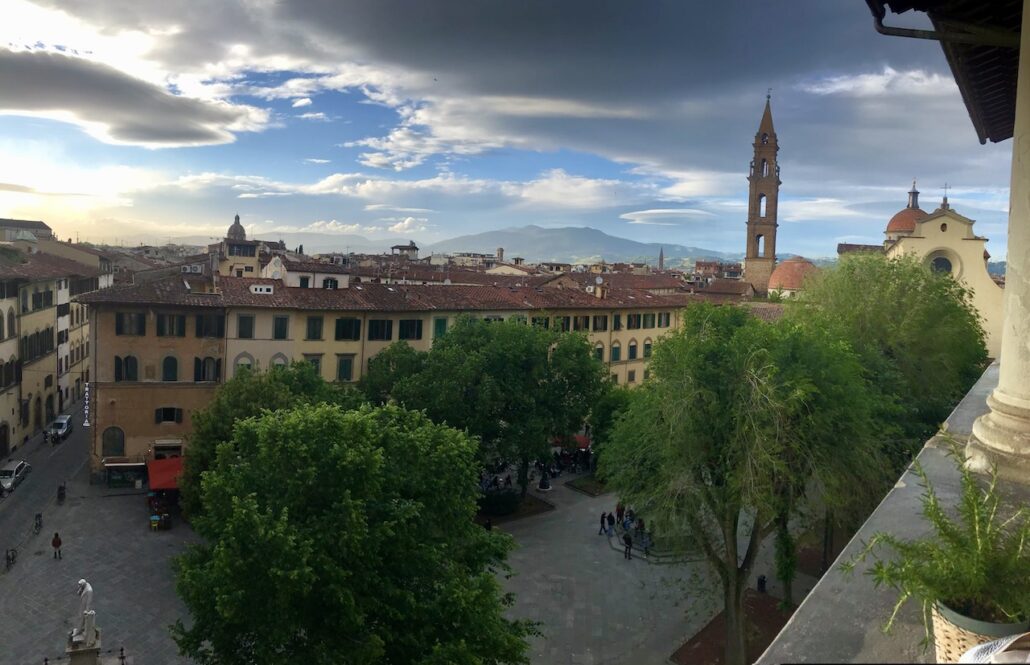
The bar at Santo Spirito , any of them on the piazza for a late morning coffee with a view of the square.
What to eat in January/February: Ribollita and pappa al pomodoro. Bistecca alla Fiorentina if you eat meat and are celebrating anything at all. Tiramisù. And cantucci con Vinsanto, because there is never a wrong time.
Florence Beyond the Obvious: What Most Visitors Miss
The Less-Known Churches
Florence’s famous churches are extraordinary and worth your time. But there are several that most visitors never find, and they are among my favourites.
Santa Maria del Carmine in the Oltrarno houses the Brancacci Chapel, with frescoes by Masaccio, the precursor of perspective in painting, the first artist to depict three dimensional space on a flat surface with scientific coherence, decades before it was theorised. The chapel is small, entry requires a booking, and it is one of the most quietly powerful rooms in Italy.
Santa Felicita, just across the Ponte Vecchio on the Oltrarno side, contains Pontormo’s Deposizione, an altarpiece in colours so strange and beautiful that people stand in front of it speechless. Tiny, often empty, free to enter. Five minutes from the tourist crowds on the bridge.
Ognissanti near the Lungarno houses Botticelli’s Sant’Agostino and Ghirlandaio’s San Girolamo, two of the most beautiful frescoes in Florence, in a church that almost nobody visits.
San Marco , the convent museum where Fra Angelico painted a fresco in every monk’s cell. Each cell is a private meditation: a small bare room with a single arched window and a fresco made for one monk’s eyes.
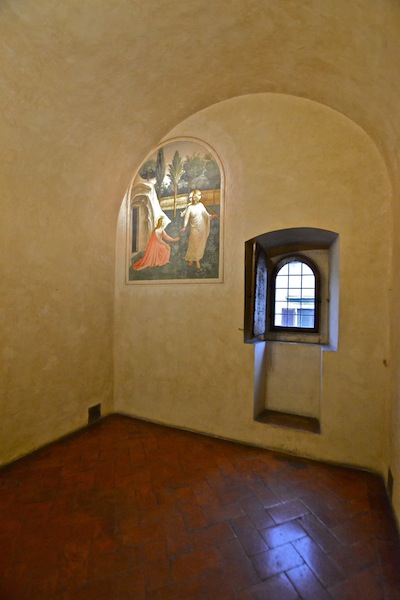
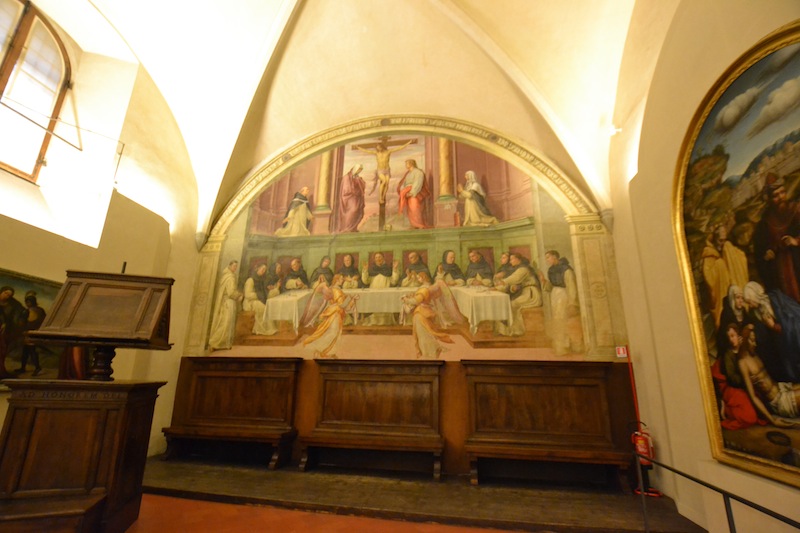
Walking from cell to cell, each one its own small masterpiece, produces a cumulative effect unlike anything else in the city. The refectory downstairs contains a magnificent Last Supper fresco. Quiet, moving, almost always uncrowded.
The Istituto degli Innocenti on Piazza Santissima Annunziata, the first Renaissance building in Europe, by Brunelleschi, 1420s. Also the world’s first orphanage. The museum tells this remarkable history. But the secret is the rooftop terrace bar on the top floor: an open loggia looking out over the rooftops toward the Duomo and the illuminated Torre di Palazzo Vecchio. One of the most beautiful and least-known views in the city. Open to non-museum visitors. Go at dusk.
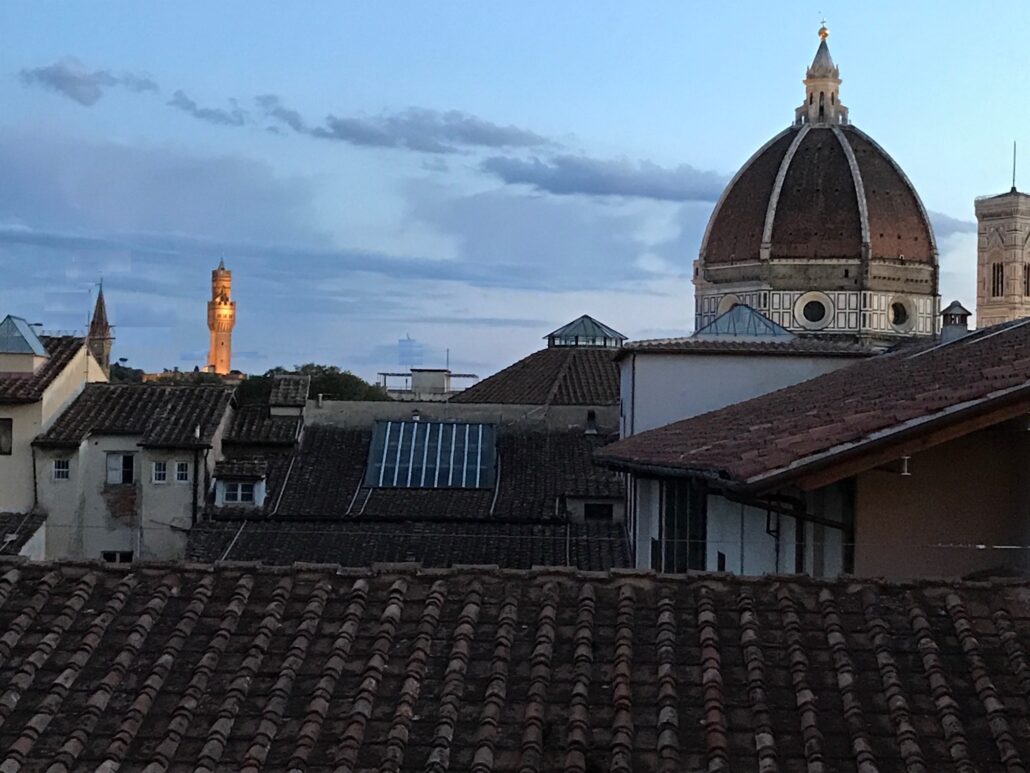
The building itself, Brunelleschi’s arcade, the proportions, the piazza it creates, is worth spending time with before you go up. Piazza Santissima Annunziata is, arguably, the most perfectly proportioned square in Florence.
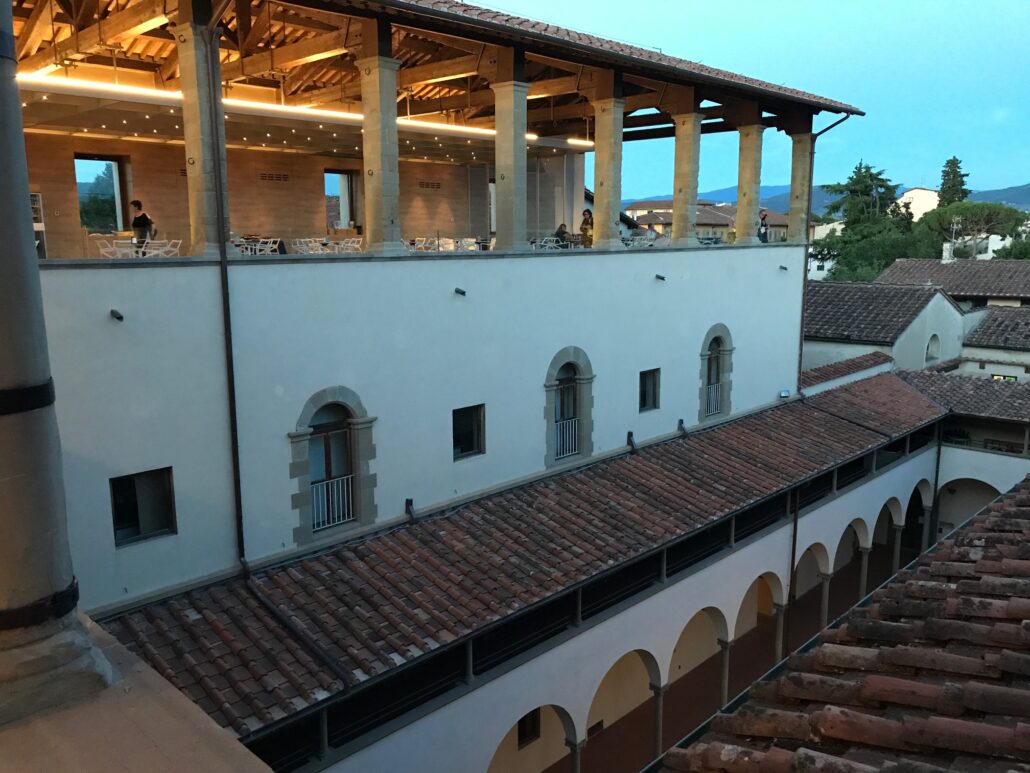
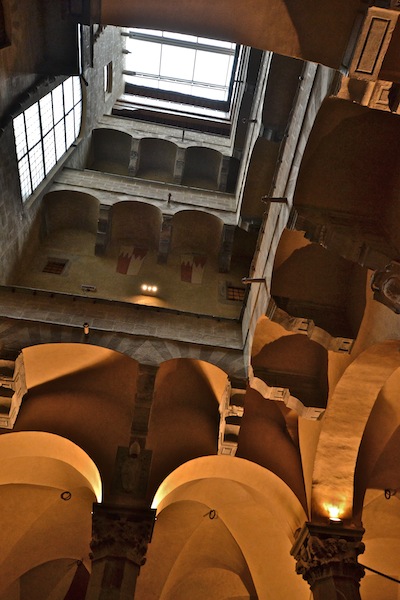
Palazzo Davanzati, a medieval merchant’s house dating to the 14th century, preserved almost entirely intact. But what makes it truly special is the theatre group that brings the house to life: actors in full medieval costume who guide you through the rooms as if you’ve stepped back into the 1300s. In the kitchen, cooks and servants go about their work. In the main hall, the family receives guests. You don’t read about how these people lived, you walk through it while they’re living it. Via Porta Rossa, two minutes from Piazza della Repubblica. Almost never crowded.
The Wine Windows and the Buchette
Florence has a tradition of wine windows, buchette del vino, small stone openings in the walls of Renaissance palaces through which wine was sold directly to passersby. Dating back to the 16th and 17th centuries, many have been restored and are used again today. Read our full guide to the Buchette del Vino
The Wine Tours
Florence is the perfect base for exploring Tuscany’s wine country. The Chianti Classico hills are 45 minutes away, Montalcino two hours, Montepulciano and San Gimignano easily reachable as day trips. Our group wine tours from Florence offer exclusive access to small producers who don’t receive individual visitors. Available year-round.
Not sure when to go for the best winery experience? Read our Best Time to Visit Tuscany Vineyards guide
Practical Notes
Sunday markets at Santo Spirito: Usually the second Sunday of the month. Check local listings, dates vary.
Remaioli boat tours: May 1st September 30th only. Book online well in advance. Departures hourly 6pm 9pm. Maximum 14 per boat. Up to 4 people €100 + VAT; €25 per additional person from the 5th.
Firenze Jazz Festival: Second half of September. firenzejazzfestival.it
Chianti Collection: Late January/early February. Stazione Leopolda. Check current year’s dates.
Eccellenza di Toscana: Usually March, Stazione Leopolda. Check dates and venue annually.
Cavalcata dei Magi: January 6th. Free, public procession through the historic centre.
Giornata Nazionale delle Dimore Storiche: Third weekend of May. ADSI website for participating palaces.
Calcio Storico: Third week of June, Piazza Santa Croce. Book tickets well in advance.
Feast of San Giovanni: June 24th. Free public celebrations throughout the city. Fireworks over the Arno in the evening.
Museums: Book ahead for the Uffizi, Accademia, and Brancacci Chapel in spring and summer.
ZTL zones: Do not drive into the historic centre with a rented car.
Florence rewards slowness and curiosity. The visitors who rush through in two days see the highlights. The city itself, the Santo Spirito market on a Sunday morning, the Jazz Festival in the Oltrarno in September, the rooftop bars at golden hour, the small churches full of masterpieces that nobody visits that takes time and a little local knowledge.
Now you have it. See you in Florence.